COVID-19 Cases Surge in Hong Kong and Singapore Amid Emergence of JN.1 Variant
- May 31
- 2 min read
15 May 2025
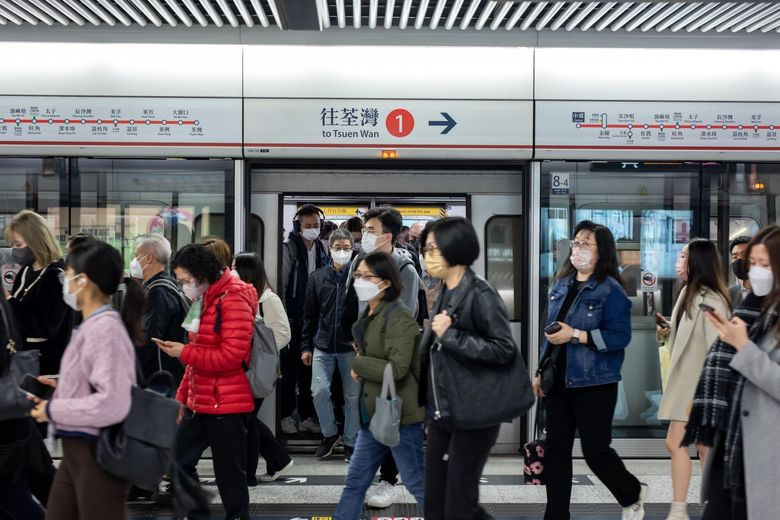
HONG KONG - A significant uptick in COVID-19 infections has been observed in Hong Kong and Singapore, attributed primarily to the emergence of the JN.1 variant, a sublineage of the Omicron strain. Health authorities in both regions have reported a notable increase in cases, prompting renewed public health advisories and a focus on preventive measures.
In Hong Kong, the percentage of respiratory samples testing positive for COVID-19 has reached its highest level in a year, indicating a substantial rise in community transmission. The city's Center for Health Protection has reported that virus activity is currently "quite high," with a significant increase in severe cases and hospitalizations. Sewage surveillance has also detected elevated viral loads, further confirming widespread transmission within the community.
Singapore has experienced a 28% increase in COVID-19 cases, with 14,200 new infections reported in the week ending May 3. Hospitalizations have risen by approximately 30% during the same period. The Ministry of Health attributes this surge to waning population immunity and has urged vulnerable groups, including the elderly and immunocompromised, to receive booster vaccinations. Despite the rise in cases, there is no indication that the circulating variants are more transmissible or cause more severe illness than previous strains.
The resurgence of COVID-19 cases is not limited to Hong Kong and Singapore. Neighboring countries such as China and Thailand are also witnessing increases in infections, prompting health authorities to reinforce public health measures and vaccination campaigns. The World Health Organization has designated the JN.1 variant as a "variant of interest," emphasizing the need for continued vigilance and monitoring.
As the situation evolves, authorities in Hong Kong, Singapore, and the broader region continue to monitor developments closely, aiming to implement timely interventions to protect public health.


Comments