Federal Shutdown Enters Sixth Day as Threat of Layoffs Haunts Hundreds of Thousands
- Oct 6, 2025
- 2 min read
06 October 2025
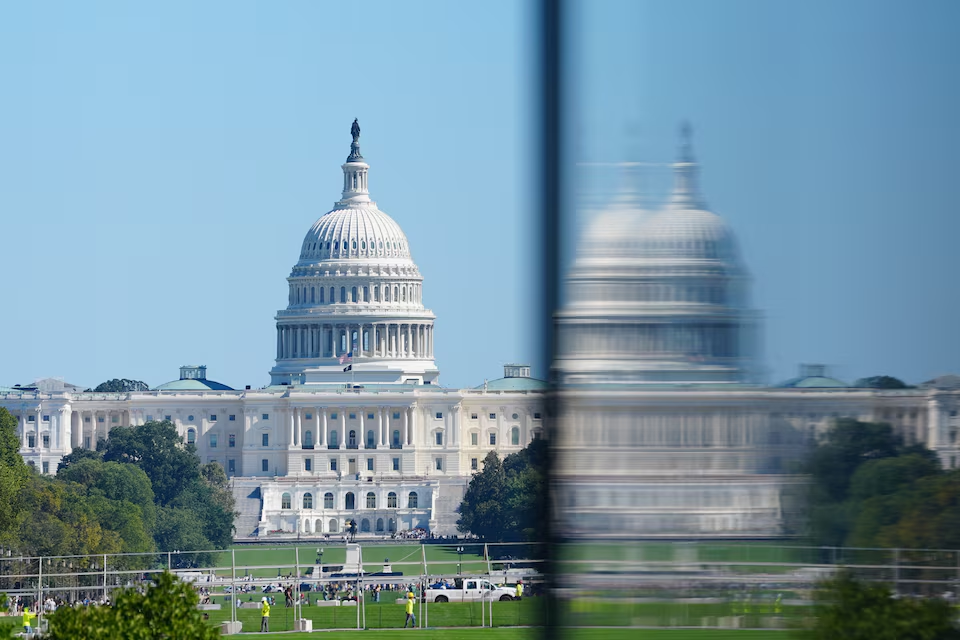
On October 6, 2025, the U.S. federal government shutdown entered its sixth day with no resolution in sight and mounting pressure from the White House over looming mass layoffs of federal workers.
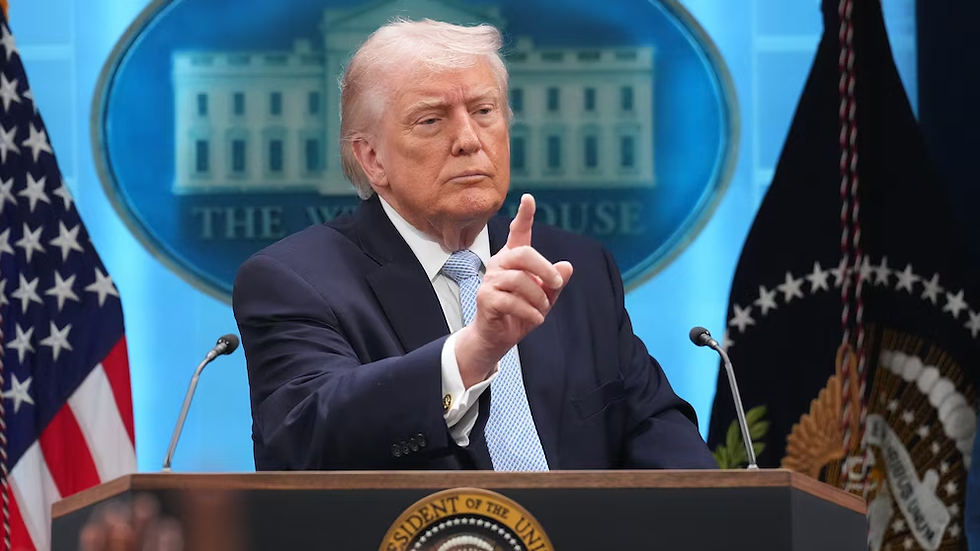
In a stark departure from previous funding impasses, the Trump administration has publicly threatened permanent job cuts rather than mere furloughs if congressional Democrats refuse to accept a Republican-led continuing resolution that omits extensions of Affordable Care Act subsidies. Administration officials warned that unless talks begin to move, termination notices will soon be issued.
Meanwhile, Senate Republicans pushed a stopgap funding proposal through the chamber but it lacks the 60 votes needed for passage. Democrats have held firm in rejecting the Republican measure unless it includes a guarantee for healthcare subsidy extensions.
As the shutdown drags on, already vulnerable sectors are reeling. An estimated $1.7 trillion in agency spending now sits stalled, and key departments including education, environment, and scientific research remain largely frozen. The U.S. Bureau of Labor Statistics, Census Bureau, and Bureau of Economic Analysis have suspended the release of major economic data, increasing uncertainty about the trajectory of inflation, jobs, and growth.
Reuters
About 750,000 federal employees have been furloughed or forced to work without pay, and the specter of firings has stirred alarm among public servants already bracing for prolonged delays in paychecks and unresolved benefits.
The political atmosphere has hardened. House Speaker Mike Johnson, echoing White House talking points, blamed Democrats for the impasse, calling for them to “stop the madness” by moving forward on Republican funding plans. Democrats counter that Republicans refuse to negotiate in good faith, particularly over the ACA subsidy issue, which for millions determines access to affordable health care.
Adding to the tension, the White House froze $28 billion in federal funds allocated to Democratic-run states, a move critics decried as political coercion and unprecedented. The administration also employed deepfake videos and social media messaging to frame Democrats as obstructing government operations, further escalated partisanship.
Behind the policy standoff lies real human cost. Federal contractors are seeing work vanish, small businesses dependent on government contracts face uncertainty, and state governments must absorb service gaps. Some national parks and regulatory operations have already shuttered.
Lawmakers across party lines privately acknowledge that the shutdown will deepen if no compromise emerges soon. A group of senators held back-channel talks Monday, but the formal floor remained deadlocked neither of the dueling proposals is expected to pass.
In many ways, this shutdown represents a new frontier in budget standoffs. The public threat of layoffs, the expansion of executive withholding, and the use of digital political warfare mark a shift from past conventions. As the impasse continues, federal workers, state agencies, and citizens will feel the ripple effects across social safety nets, infrastructure, and regulatory oversight.


Comments