Hong Kong's Belt and Road Summit Returns With Cross-Regional Deals in Focus

HONG KONG — The 11th Belt and Road Summit will return to the Hong Kong Convention and Exhibition Centre on September 9 and 10, bringing government officials, investors, business leaders and project owners together for two days of policy discussion and deal-making. Organizers are positioning the event as a practical bridge between capital, professional services and projects across several fast-changing regions.
This year's theme, “Advancing High-quality Development — Embarking on a New Journey,” places execution ahead of broad declarations. The Hong Kong Trade Development Council says nearly 100 policymakers and business leaders are expected to participate, with sessions examining trade, investment and collaboration involving ASEAN, Central Asia, the Middle East and other markets connected to the Belt and Road framework.
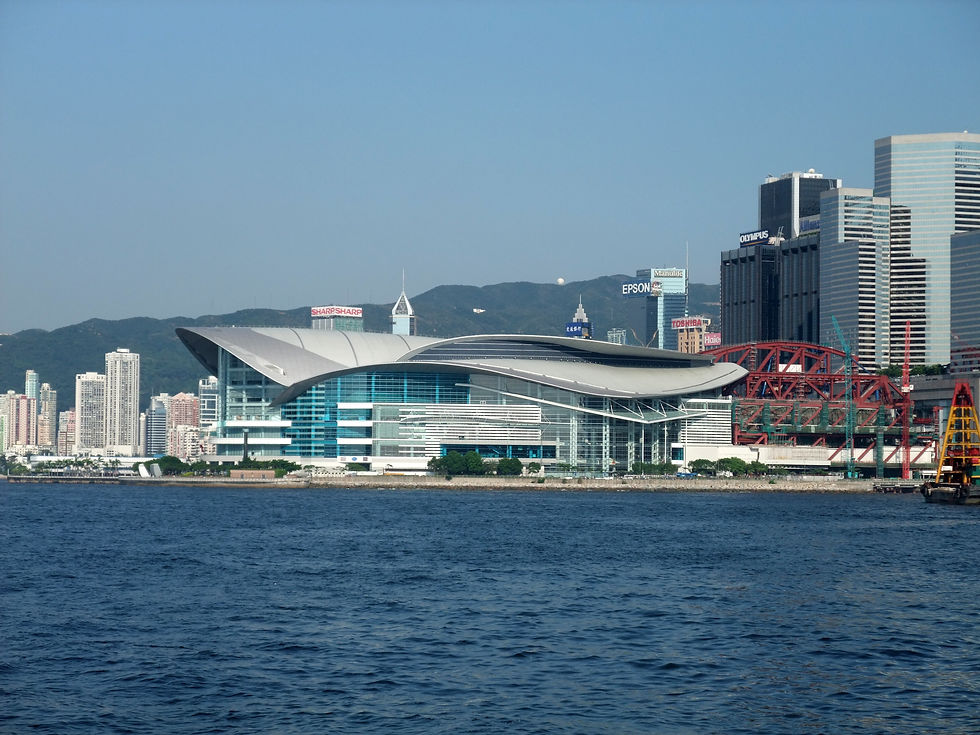
The summit matters to Hong Kong because the city is competing to remain the preferred platform for cross-border finance and commercial coordination. Its pitch rests on familiar strengths: a deep financial market, common-law system, international professional-services network and close access to mainland China. The event gives those capabilities a concentrated marketplace in which companies can move from introductions toward structured projects.
Project matching is a major part of that design. Beyond speeches and panel discussions, the program includes opportunities for investors, developers and service providers to meet around specific proposals. For a conference focused on infrastructure and long-term economic links, that format is important. It creates a measurable business pathway rather than leaving participants with only high-level statements of intent.
The geographic mix also reflects how investment flows are changing. Companies are looking beyond established routes as Gulf capital expands internationally, ASEAN economies attract manufacturing and consumer investment, and Central Asian markets seek new transport and energy links. Hong Kong wants to be the place where those interests can connect with Chinese enterprises and global financing expertise under one roof.
For banks, asset managers and insurers, the opportunity extends beyond lending. Large projects require risk assessment, currency management, insurance, legal documentation and sometimes access to public markets. Hong Kong's business case is that it can provide an integrated set of services across a project's life cycle, from early feasibility work to financing, construction and eventual operation.
Professional firms will be watching the agenda just as closely. Cross-border ventures often become difficult at the point where different legal systems, regulatory expectations and commercial practices meet. Lawyers, accountants, engineers and consultants can turn political ambition into contracts that investors are willing to support. The summit's value therefore depends on the quality of those technical conversations as much as the prominence of its speakers.
Technology and green development are likely to run through many of the discussions. Infrastructure investment is increasingly judged not only by its physical scale but also by efficiency, resilience and environmental performance. Digital systems can improve logistics and project oversight, while sustainability requirements influence both financing costs and investor appetite. Hong Kong is seeking a role in organizing those newer layers of capital and expertise.
Smaller companies also have a reason to pay attention. Major infrastructure programs create demand for specialized software, design, equipment, compliance and operational support. A well-run matching program can give such firms access to partners they would struggle to reach independently. That widens the summit's relevance beyond the largest state-owned enterprises, banks and construction groups usually associated with the initiative.
The immediate measure of success will not be the number of attendees alone. Businesses will look for credible projects, clearly identified owners, realistic financing structures and follow-up after the conference. Announcements attract attention, but contracts and completed transactions determine whether Hong Kong's platform produces durable commercial value. Organizers have emphasized showcases and matching precisely because participants now expect that practical return.
For NylonKong's three-city business lens, the summit is a distinctly Hong Kong story: global capital, Chinese commercial reach and emerging-market opportunity meeting in one financial center. New York and London remain essential competitors and partners in international finance, but September's gathering gives Hong Kong a chance to demonstrate the convening role it wants to own in the next phase of cross-regional investment.


Comments