JPMorgan Chase Plans £3 Billion Global Headquarters Tower in London’s Canary Wharf

27 November 2025
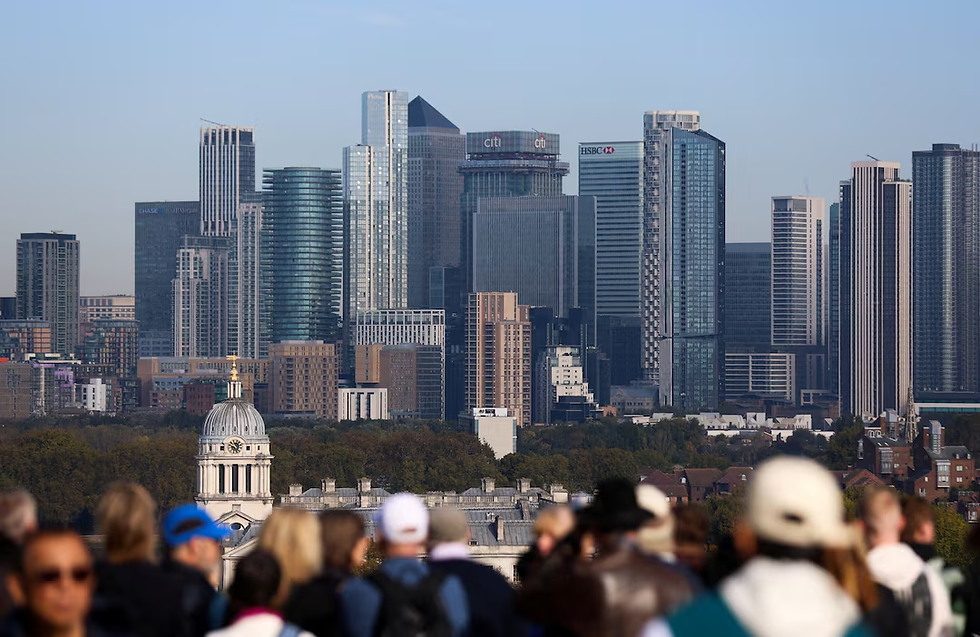
In a landmark decision, JPMorgan Chase announced on November 27, 2025 that it will build a massive new headquarters tower at the Riverside site in Canary Wharf, east London. The planned 3-million-square-foot building is set to become the bank’s largest office outside the United States, accommodating up to 12,000 employees and serving as the company’s principal hub for Europe, the Middle East, and Africa.
This decision resumes a project long delayed: JPMorgan originally secured a 999-year lease on the Riverside South site back in 2008, but paused development in the wake of the global financial crisis. The new plan designed by the renowned architectural firm Foster + Partners reflects not just renewed confidence in London, but a strategic bet on the city’s ongoing importance as a global financial hub.
The skyscraper will stand among the largest office complexes in Europe by floor space, far exceeding current UK standards for commercial buildings. Once completed under a timeline of around six years after all approvals, the tower will more than double the size of many existing London landmarks.
JPMorgan estimates the construction project will inject approximately £9.9 billion into the UK economy over the next six years through construction activity, job creation, and associated business growth. The development is also expected to generate around 7,800 jobs in construction and related services before occupancy.
For Canary Wharf, which has weathered years of uncertainty since the pandemic and a shift toward hybrid work, the announcement represents a major vote of confidence. It could anchor the area’s future as a premier financial-district nucleus and potentially reverse some of the trends toward suburban dispersion of workforces.
JPMorgan’s CEO Jamie Dimon called the move a “lasting commitment to the city, the UK, our clients and our people,” underscoring the bank’s belief that London will remain a central node in global finance. The bank noted that the investment still depends on stable business conditions and necessary regulatory approvals from local and national authorities.
Once operational, the building will consolidate much of JPMorgan’s London workforce, many of whom currently operate from multiple offices across the city. The new tower is expected to centralize operations, improving collaboration and shared infrastructure across business units.
Design plans also include employee-friendly amenities: rooftop terraces, wellness spaces, dining areas, and planned public-use features such as riverside walkways and dock redevelopment showing the bank’s push to integrate the site with the broader community and environment.
This announcement aligns closely with similar expansion news from other major financial institutions. Analysts suggest the move comes in part because the UK government, following its recent budget, avoided additional banking-sector taxes loosening a key barrier that had worried large lenders. That fiscal environment appears to have tipped the scales for JPMorgan’s long-delayed decision to proceed.
For London’s commercial real-estate market, this could be a pivotal moment. The influx of such a large employer and the consolidation of a major global bank reinforces demand for high-quality office space, supports supporting industries, and could stimulate further investment in infrastructure and community development in the financial district and beyond.
Still, some uncertainty remains. The project’s ultimate success depends on future global economic conditions, interest-rate trends, and continued stability in UK business policy. While the commitment is major, the bank has made clear it remains contingent on “a continuing positive business environment in the UK.”
Overall, JPMorgan’s new London headquarters represents more than real-estate expansion. It stands as a symbol of renewed faith in London’s global financial standing, a long-term investment in the UK economy, and a strategic anchor for the bank’s future in Europe.


Comments