Kraft Heinz Is Moving Its Stock Listing to the NYSE as the Food Giant Reworks Its Strategy

NEW YORK — Kraft Heinz plans to transfer the listing of its common stock from Nasdaq to the New York Stock Exchange on September 14, placing one of America’s best-known packaged-food companies on the Big Board while keeping its familiar KHC ticker. The change is administrative for shareholders, but it arrives during a consequential strategic reset for the company.
The food maker said its shares will continue trading on Nasdaq through the close on September 11 before beginning on the NYSE the following trading day. Investors are not being asked to exchange certificates or take any other action. The move changes the venue where the stock is listed, not the underlying ownership or the symbol used to follow it.
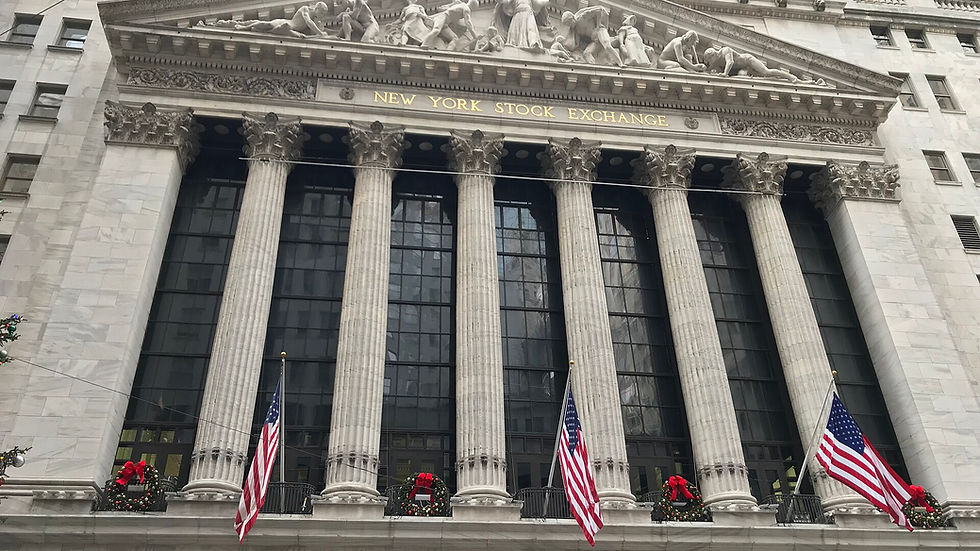
Chief executive Steve Cahillane framed the transfer as part of a wider transformation at Kraft Heinz. In practice, an exchange move can give a company access to a different listing platform, market events and investor-engagement opportunities. It does not by itself alter earnings, cash flow or competitive position, but timing can make the signal more meaningful.
Kraft Heinz has spent much of the year reassessing a portfolio built around brands including Kraft, Heinz, Philadelphia and Oscar Mayer. Earlier plans to split the business were paused as management reconsidered the best structure. That decision left investors focused on whether a unified company can improve execution, sharpen marketing and restore dependable growth.
The packaged-food sector has been dealing with cautious consumers, higher operating costs and changing eating habits. Shoppers continue to recognize established labels, yet they are also comparing prices closely and turning to private-label products when household budgets tighten. Large manufacturers have had to balance promotions with the need to protect margins.
For Kraft Heinz, the problem is not simply selling more units. The company has to decide which brands deserve investment, which products can command premium pricing and where innovation can create a reason to choose its portfolio over cheaper alternatives. Those choices will matter far more to long-term value than the sign above the exchange entrance.
Still, the NYSE transfer gives management a public moment to present the next phase of its plan. Listing ceremonies and exchange visibility can attract attention from institutional and individual investors, particularly when a company wants to emphasize a new chapter. The unchanged ticker also preserves continuity for analysts, funds and retail shareholders already tracking the shares.
New York’s role is material because the decision places Kraft Heinz inside the city’s central capital-markets ecosystem. The company remains operationally headquartered elsewhere, but its stock will trade alongside a broad group of global consumer businesses. That setting may help management communicate its strategy to investors comparing food companies across regions and categories.
Shareholders will be watching for evidence rather than symbolism. Key measures include organic sales, volume trends, pricing, advertising efficiency, free cash flow and progress in the company’s largest brands. Investors will also want clarity on whether the paused separation remains off the table or could return once the operating picture becomes more stable.
The company’s brand recognition gives it room to act, but legacy scale can also slow a turnaround. Retail shelf space, supplier relationships and household familiarity are advantages only when products stay relevant. Management will need to show that marketing investment and product development can strengthen demand without depending indefinitely on price increases.
The September transition should be uneventful for ordinary trading, yet it gives analysts a clean date around which to assess management’s message. Any ceremony will quickly give way to the quarterly numbers. In the consumer sector, credibility is rebuilt through consistent volume, disciplined spending and realistic guidance rather than one dramatic announcement.
The exchange transfer is therefore best read as one piece of a larger transition. Kraft Heinz is choosing a new trading home at a time when its business model is under close examination. When the shares open on the NYSE on September 14, the ticker will look the same; the harder task will be proving that the company’s strategy can produce different results.


Comments