Pinterest CEO Calls for Global Ban on Social Media Under 16 as Industry Faces Growing Scrutiny
- Mar 21
- 3 min read
21 March 2026
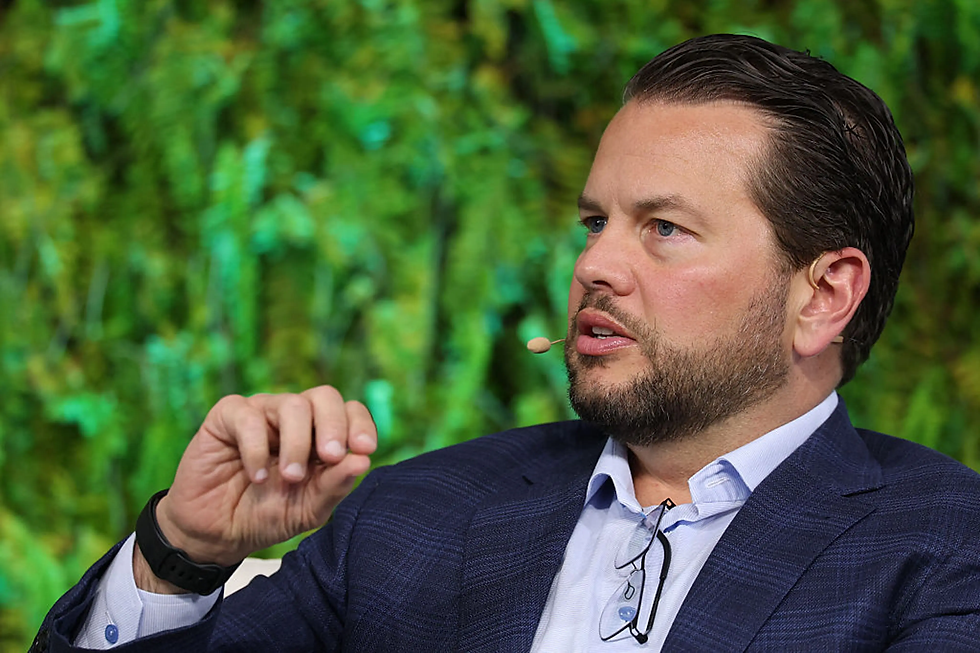
The call did not come from a regulator or a critic on the outside, but from within the tech industry itself. Bill Ready, the chief executive of Pinterest, stepped into an increasingly heated debate with a position that stands apart from most of his peers. He urged governments around the world to ban social media use for anyone under the age of 16, framing the issue not as a matter of preference but as one of responsibility.
Ready’s statement arrived at a moment when the industry is under mounting pressure. In the United States, major technology companies such as Google and Meta are facing legal challenges that accuse their platforms of contributing to a youth mental health crisis. These cases have intensified scrutiny on how social media affects younger users, shifting the conversation from innovation to accountability.
Against this backdrop, Ready’s argument is striking in its clarity. He called for a universal standard that would prohibit social media access for younger teenagers, supported by strict enforcement and clear accountability for both app developers and mobile operating systems. His position rejects the idea that voluntary safeguards or parental controls are sufficient, suggesting instead that only firm regulation can meaningfully reduce harm.
What makes his stance particularly notable is how it diverges from the broader industry. Many leading tech companies have resisted blanket bans, advocating instead for tools that give parents more control or systems that verify age more effectively. Ready’s approach signals a break from that consensus, aligning more closely with policymakers and public health advocates who believe stronger intervention is necessary.
Part of his reasoning draws on developments outside the United States. He pointed to Australia’s decision to restrict social media access for users under 16 as a model for other countries to consider. The policy, one of the most ambitious of its kind, reflects a growing willingness among governments to step in where industry self regulation has been seen as insufficient.
At the heart of the debate is a deeper concern about how digital platforms shape behavior during formative years. Critics argue that constant exposure to algorithm driven content can affect attention, self image, and mental health. Ready echoed these concerns, warning that young people are effectively part of a large scale experiment, one whose long term consequences are still unfolding.
There is also an emerging layer of complexity tied to artificial intelligence. As platforms integrate AI driven features, from recommendation systems to conversational tools, the potential influence on younger users becomes even more significant. This raises questions not only about content but about interaction, identity, and the ways in which technology can shape thought and behavior at an early age.
Yet the proposal is not without tension. Pinterest itself allows users as young as 13 in many markets, reflecting the current industry standard. The company has also been actively trying to attract younger audiences, particularly Gen Z, which makes up a substantial portion of its user base. This dual reality highlights the challenge of aligning business incentives with broader concerns about safety and regulation.
For governments, the question is not only whether to act but how. Enforcing age based restrictions at scale presents technical and ethical challenges, from verifying identities to protecting privacy. Even in countries that have introduced bans, implementation remains complex, requiring coordination between platforms, regulators, and users.
What Ready’s intervention ultimately signals is a shift in tone. The conversation around social media is no longer dominated by growth and engagement alone. It is increasingly shaped by questions of impact, responsibility, and long term consequences.
In that sense, the debate is moving beyond the platforms themselves. It is becoming a broader discussion about how societies choose to balance innovation with protection, particularly when it comes to younger generations navigating a digital world that continues to evolve faster than the rules designed to govern it.


Comments