U.S. and China Near Trade Truce, Eyeing Leader-Level Deal at APEC Summit
- Oct 26, 2025
- 2 min read
26 October 2025

In a significant shift after months of tension the Office of the United States Trade Representative (USTR) says talks with China are now heading toward a framework that could be signed by Donald Trump and Xi Jinping later this week. U.S. Trade Representative Jamieson Greer told reporters in Kuala Lumpur that the two sides have covered “a broad range of topics” and are getting close to a spot where the two leaders can have a “very productive meeting.”
The most extensive escalation in trade war rhetoric in recent weeks centred around China’s export-controls on rare earth materials and the U.S.’s plan to impose 100 percent tariffs on certain Chinese goods from November 1. But after a fifth round of in-person talks between Greer alongside Treasury Secretary Scott Bessent and China’s Vice-Premier He Lifeng and top negotiator Li Chenggang the two sides appear to have carved out an agreement in principle. The framework reportedly includes pausing the impending U.S. tariffs and delaying implementation of China’s rare earth export regime by about a year.
According to Treasury Secretary Bessent the arrangement would also signal renewed Chinese purchases of U.S. soybeans — a critical point for American agriculture and keep the trade truce that was set to expire on November 10 alive, while giving both sides time for deeper talks.
Still, caution remains. Chinese officials described the talks as having reached a “preliminary consensus” while noting that internal approval processes remain necessary in Beijing. Meanwhile observers warn that, even with a framework in place, the path to a full comprehensive deal remains fraught with geopolitical issues Taiwan, Hong Kong, supply-chain security and tech competition all linger in the background.
From a market and global-trade perspective the implications are substantial. If the deal materialises it could ease immediate pressures on tariffs, commodity supply chains (especially rare earths), and help stabilise agricultural exports to China. For China it opens room to ease export controls and defuse U.S. threats of further tariffs. For the U.S. it offers a chance to call off the hornet’s-nest of trade escalation before it hits major sectors.
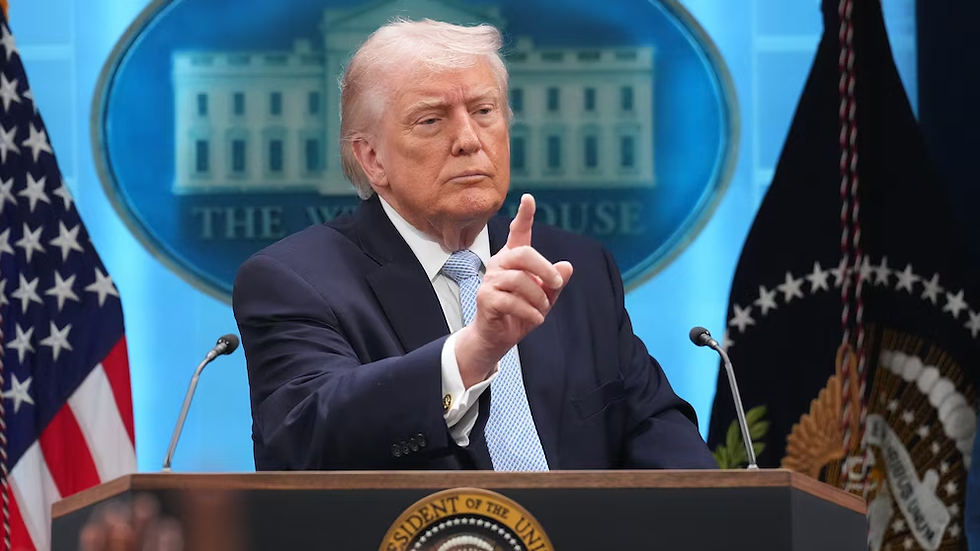
Yet, for both governments the deal is also political. For President Trump a signature agreement with President Xi offers a visible win on the international stage. For China it offers a chance to present stability and renew trade ties at a moment when global tensions are high. The upcoming summit between the two leaders scheduled to meet in South Korea on the sidelines of the Asia‑Pacific Economic Cooperation Summit will test whether the framework becomes a full-blown agreement or simply another diplomatic “package.”
In short, what was once a looming escalation 100 percent tariffs, rare-earth shortages, shaken supply chains is now shifting toward a managed pause and potential reset. Whether that reset holds will depend on both sides delivering on the framework and navigating the many structural issues still unresolved.


Comments