U.S. Existing Home Sales Post Stronger Than Expected Gain in May

09 June 2026
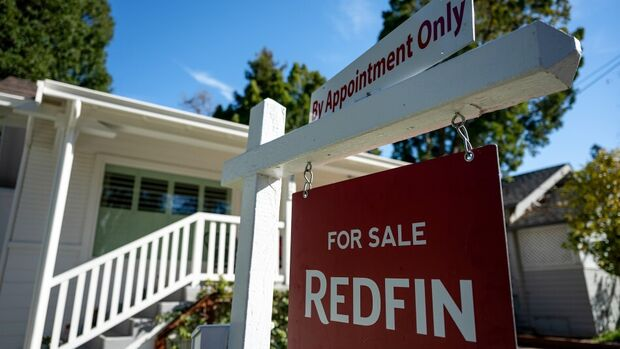
The U.S. housing market delivered an encouraging surprise in May as existing home sales increased more than economists had expected, offering fresh evidence that buyers continue to navigate elevated mortgage rates and affordability challenges in pursuit of homeownership.
The latest figures suggest that while the housing market remains far from the frenzied conditions seen during the pandemic-era boom, it continues to demonstrate resilience despite ongoing economic pressures. Real estate professionals, economists, and policymakers have been closely watching housing activity for signs of whether higher borrowing costs would significantly weaken demand. Instead, recent data indicate that buyers remain active, even in a market shaped by limited inventory and relatively expensive financing.
Existing home sales are considered one of the most important indicators of housing market health because they reflect completed transactions involving previously owned homes. Unlike new construction sales, these transactions provide a clearer picture of day-to-day activity among ordinary buyers and sellers across the country.
The stronger-than-expected increase comes at a time when many prospective buyers continue facing significant obstacles. Mortgage rates remain substantially higher than the historic lows experienced several years ago, increasing monthly payments and reducing purchasing power for many households. At the same time, home prices in many regions remain elevated due to years of supply shortages and persistent demand.
Despite those challenges, demand has not disappeared. Many buyers continue entering the market because of life events such as marriage, family growth, job changes, or relocation. Others are motivated by the belief that waiting indefinitely for lower rates could mean missing opportunities in desirable neighborhoods or facing even higher prices later.
A key factor supporting the market has been the gradual increase in available inventory. While housing supply remains below levels many economists consider healthy, more homeowners have begun listing properties for sale compared with previous periods. Greater inventory gives buyers additional choices and can help create a more balanced market environment.
Real estate agents report that conditions vary significantly across different parts of the country. Some markets continue experiencing strong competition for well-priced homes, while others are seeing properties remain available for longer periods. Local economic conditions, employment growth, migration patterns, and affordability all contribute to these regional differences.
The housing market occupies a unique position within the broader economy. Home purchases generate activity across numerous industries, including construction, finance, insurance, furniture, appliances, and home improvement services. As a result, shifts in housing demand often have effects that extend far beyond real estate itself.
Economists frequently view housing as a barometer of consumer confidence. Purchasing a home is among the largest financial commitments most people make, so strong sales can suggest that households remain optimistic about their income, employment prospects, and financial stability.
The May data also arrive during ongoing discussions about future interest rate policy. Housing is particularly sensitive to borrowing costs, meaning any changes in mortgage rates can significantly influence buyer behavior. Market participants continue monitoring economic data for clues about whether financing conditions could become more favorable in the months ahead.
Sellers have also played an important role in shaping market dynamics. Many homeowners who secured exceptionally low mortgage rates in previous years have been reluctant to move because doing so would require financing a new home at higher rates. That phenomenon has contributed to inventory shortages in many markets.
However, as time passes, personal circumstances often outweigh financial considerations. Families expand, careers evolve, and lifestyle preferences change. These factors eventually bring more properties to market, helping support transaction activity.
Housing experts caution that challenges remain. Affordability continues to be a major concern, particularly for first-time buyers who face high prices, substantial down payment requirements, and elevated borrowing costs. Addressing long-term housing shortages remains a priority for policymakers and industry leaders.
Even so, the stronger-than-expected sales figures provide a positive signal for the market. They suggest that while conditions may be more difficult than in previous years, demand for homeownership remains deeply rooted in the American economy.
As the year progresses, attention will remain focused on inventory levels, mortgage rates, home prices, and broader economic conditions. For now, May's performance offers a reminder that the housing market continues adapting to a changing environment while maintaining a surprising degree of strength.


Comments