U.S. to impose a sweeping new 100 percent tariff on Chinese imports in next month’s escalation
- Oct 11, 2025
- 2 min read
11 October 2025

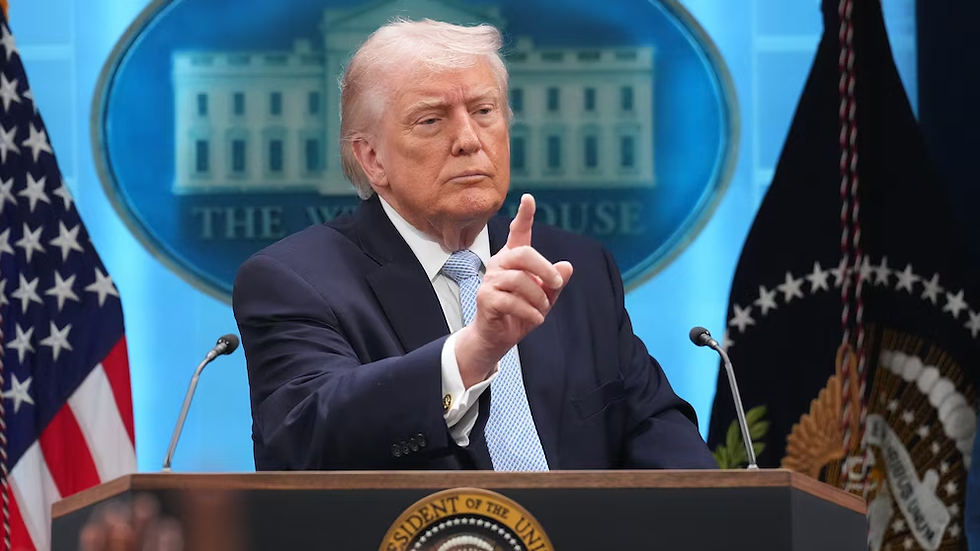
In a dramatic escalation of the trade war, President Donald Trump announced on October 10 that beginning November 1 the United States would levy an additional 100 percent tariff on Chinese imports stacked on top of existing duties as well as impose export controls on critical U.S. software, citing China’s “aggressive” recent export curbs.
Trump made the announcement in a post on Truth Social, warning that the timetable could move sooner depending on further actions by Beijing. He characterized China’s new export controls particularly on rare earth minerals and other strategic materials as hostile and said the expanded tariff would apply “over and above any tariff that they are currently paying.”
The policy represents one of the sharpest turns in U.S. China economic confrontation in recent years. Already, many Chinese goods entering the U.S. face robust duties following earlier tariff rounds. The added 100 percent rate would effectively double the tariff burden for those products if fully applied. At the same time, the export controls on software target Washington’s concern that China could gain advantage from access to advanced American technologies particularly those relevant to defense or artificial intelligence.
The reaction in markets was immediate. News of the tariff plan sent global equities sharply lower. In the U.S., major indices tumbled, led by declines in technology names vulnerable to supply constraints or Chinese retaliation. Meanwhile Chinese markets factored in renewed geopolitical risk as export restrictions and reciprocity fears weighed on sentiment.
Beijing has already signaled readiness to respond. Within hours of the announcement, China’s transport ministry said it would levy new port fees on U.S.-owned or flagged vessels retaliatory measures designed to target U.S. shipping. Analysts expect that further escalation could follow, from tariff countermeasures to regulatory or diplomatic pressure.
The policy shift raises questions about timing, legality, and economic impact. Some critics argue that applying such a high extra tariff could spark inflationary pressures in the U.S., drive up costs for manufacturers reliant on Chinese components, and potentially invite litigation over whether the president exceeded his trade authority.
Others see the move as a calculated strategic pressure point. By ratcheting up tariffs and export controls simultaneously, the Trump administration is signaling that trade will now be battlefield in broader geopolitical competition. Trump’s team may believe that the threat of pain to Chinese export sectors will force concessions on other fronts be it market access, intellectual property, or supply chain leverage.
Still, executing the new tariffs will confront procedural and diplomatic hurdles. Even if Trump’s administration issues the tariff and export control orders, they must withstand challenges from Congress, courts, and global trading rules. Chinese authorities will also likely test the response through countermeasures, pushing the conflict into supply chains, investment barriers, or regulatory oversight.
In the coming weeks, markets will closely dissect how companies with exposure to Chinese supply chains adjust guidance. Sectors already under cost pressure could face added strain. The timing just as November begins may also compress the window for diplomatic negotiation or deescalation.
All told, this decision marks a sharp turning point in U.S. trade posture. What had been episodic escalation now seems to be entering a more systemic confrontation one whose ripples may affect industries from semiconductors to consumer electronics across both countries and beyond.


Comments