US and Iran Agree to Two Week Ceasefire as Strait of Hormuz Set to Reopen
- Apr 8
- 2 min read
08 April 2026
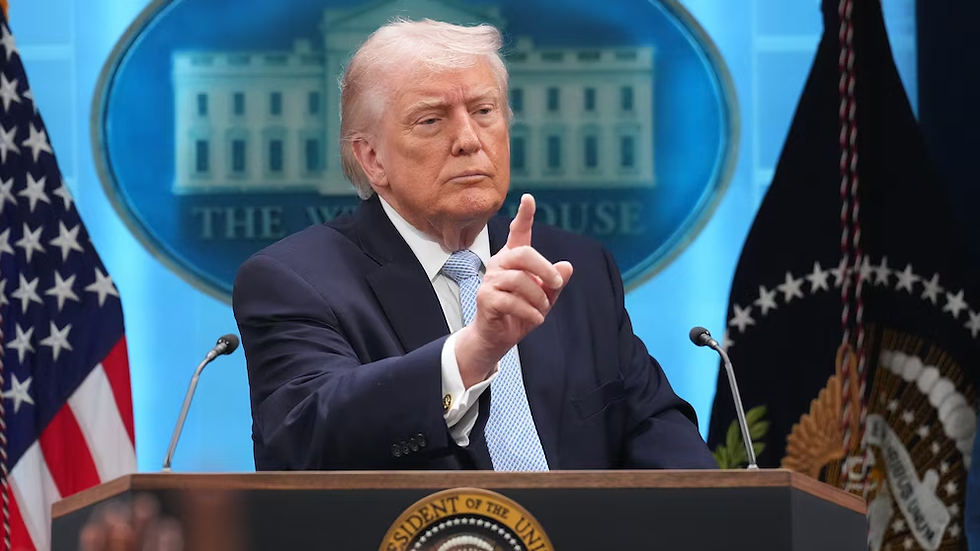
The United States and Iran have reached a last minute agreement on a two week ceasefire, marking a dramatic shift in the ongoing conflict that had threatened to escalate into a far more destructive confrontation. The deal was announced by President Donald Trump just hours before a deadline that had raised fears of large scale military action, offering a temporary pause in hostilities and a potential path toward further negotiations.
The ceasefire is conditional on Iran reopening the Strait of Hormuz, a critical global shipping route that handles a significant portion of the world’s oil supply. Iran agreed to allow safe passage through the waterway and halt its counterattacks, while the United States committed to suspending military operations for the duration of the agreement.
The agreement was brokered with the help of Pakistan, whose leadership played a key role in facilitating communication between the two sides at a critical moment. Diplomatic efforts intensified in the final hours before the deadline, ultimately leading to a breakthrough that both sides have framed as a step toward de escalation rather than a permanent resolution.
The conflict, which has lasted for several weeks, has already caused significant damage and loss of life across multiple countries, while also disrupting global energy markets. The closure of the Strait of Hormuz had led to severe supply constraints, contributing to rising oil prices and increasing economic pressure worldwide.
Following the announcement, financial markets reacted positively, with oil prices dropping and global stocks rising as investors welcomed the reduced risk of immediate escalation. However, analysts have cautioned that the relief may be temporary, as the underlying geopolitical tensions remain unresolved and could quickly resurface.
Despite the agreement, there are concerns about how effectively the ceasefire will hold, as reports indicated that some military activity continued shortly after the announcement. Both sides have expressed willingness to engage in further discussions, but there is skepticism about whether a longer term peace deal can be achieved within such a short timeframe.
Iran has proposed a broader framework for negotiations, outlining a multi point plan aimed at addressing key issues such as sanctions, regional security, and control over the strait. Talks are expected to continue in the coming days, with Islamabad being considered as a potential venue for formal discussions between delegations.
While the ceasefire has temporarily reduced tensions, it remains a fragile arrangement dependent on compliance from both sides and continued diplomatic engagement. The coming weeks will be critical in determining whether this pause in conflict can evolve into a more lasting agreement or simply delay further escalation in an already volatile situation.


Comments