Wall Street sees diplomatic relief and energy upside as the U.S.-Russia summit ends without new sanctions or binding agreement
- Aug 16, 2025
- 2 min read
16 August 2025
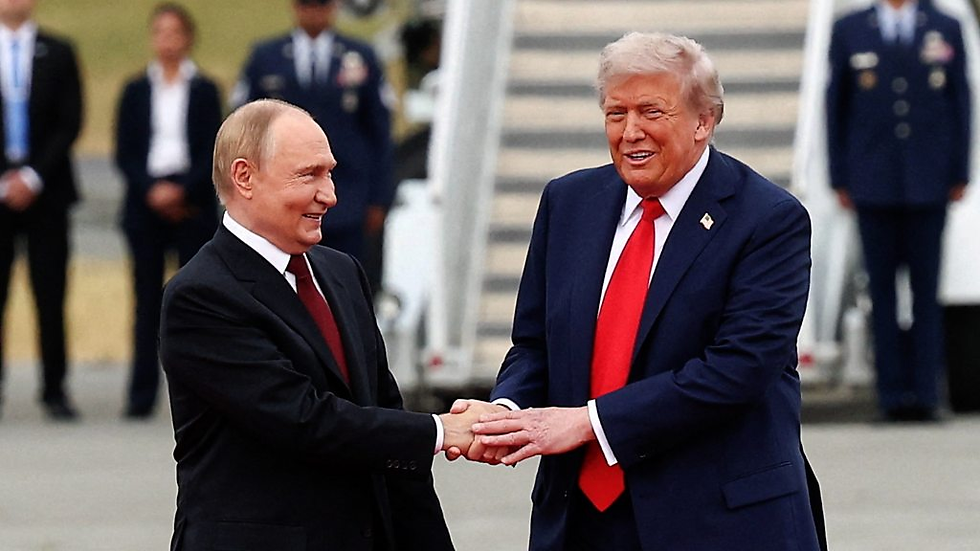
The headlines trailing the Trump‑Putin summit in Alaska last Friday resonated not with the clang of fresh policy, but with the hum of tidy geopolitical calculus. For investors, especially in energy markets, the absence of new sanctions against Russia offered a sigh of relief, and even a glimmer of opportunity, in an otherwise scripted exchange. Moderately upbeat language peppered official remarks Trump deemed the meeting “very productive” but markets made clear the only truly market-moving outcome was the status quo.†
Helima Croft of RBC Capital Markets framed it with characteristic clarity: there were diplomatic wind-ups, but no pitches. Nothing new was decided, especially regarding secondary sanctions or Indian oil imports, and as such the impact will likely remain limited.† Carol Schleif from BMO Private Wealth nodded in agreement, noting that market focus remains rooted in consumer behavior and inflation readings, not geopolitics.
In the corridors of oil trading floors, the summit’s muted outcome sparked cautious optimism. With no fresh sanctions choking Russia’s energy exports, buyers breathed easier. Eric Teal from Comerica highlighted a potentially fertile patch for energy investment, given subdued oil prices, while others remarked that the event signaled more opening theatre than strategic breakthrough.
Eugene Epstein of Moneycorp framed the summit as more inaugural than instructive. Its importance lies in the optics—a high‑stakes handshake bridging icy relations rather than tangible deliverables. Tom Di Galoma of Mischler Financial has already charted a possible sequel, speculating a trilateral meeting between Trump, Putin, and Zelenskyy in the coming weeks.
A subdued verdict pervaded commentary: markets won’t overreact to symbolic diplomacy. Michael Ashley Schulman and Jamie Cox summed it up best the meeting changes little in the immediate trading landscape, though the narrative worth watching is whether it opens a path toward real negotiation.
In the wind of this neutrality, oil prices edged lower, reflecting the lack of tension but flagging restraint in market enthusiasm. Analysts stressed that without a binding deal to unlock Russian supply, prices are unlikely to shift meaningfully. Russia remains a dominant force in global oil flows, especially to Asia, and any real shift would hinge on long‑term investments and infrastructure elements untouched by this summit.
Gold and defense stocks followed suit, nudging downward in markets that had rallied earlier on the promise of peace. A ceasefire could have nearly forced a “peace dividend,” easing inflationary pressure and cooling defense demand, but that moment did not arrive. The enduring uncertainty leaves commodity and equity markets hung in a state of poised inaction.†
Investors.
Across asset allocators, the message was clear: the geopolitical landscape remains largely unchanged, but behaviors tied to it may shift slower. The energy sector, buoyed by anticipated market steadiness, may find room to breathe. Meanwhile, sectors sensitive to rising energy costs or defensive sentiment may face mild correction as the summit failed to deliver resolution.
At the core, this summit underscores the rising pragmatism of markets. With data cycles thin and macro milestones overdue, investors are demanding leverageable moves over optics. Here in Alaska, they got the latter but not the former.


Comments