Bank of England Faces a Harder Rate Choice as UK Inflation Climbs

LONDON — The Bank of England reaches its September policy decision today with its main rate at 3.75% and inflation moving in the wrong direction. Official figures put annual consumer-price inflation at 3.1% in August, up from 2.9% in July and the highest reading in five months. Economists broadly expect the Monetary Policy Committee to hold Bank Rate, but the more important market question is whether the Bank prepares households and businesses for an increase later this year.
The rise was driven in part by fuel prices and airfares, making the latest number a reminder that monetary policy does not control every source of inflation. The Bank cannot produce oil or reopen disrupted transport routes. It can, however, try to prevent an energy shock from spreading into wages, services and expectations. That is why policymakers are likely to focus less on one monthly headline than on evidence that higher costs are becoming persistent.

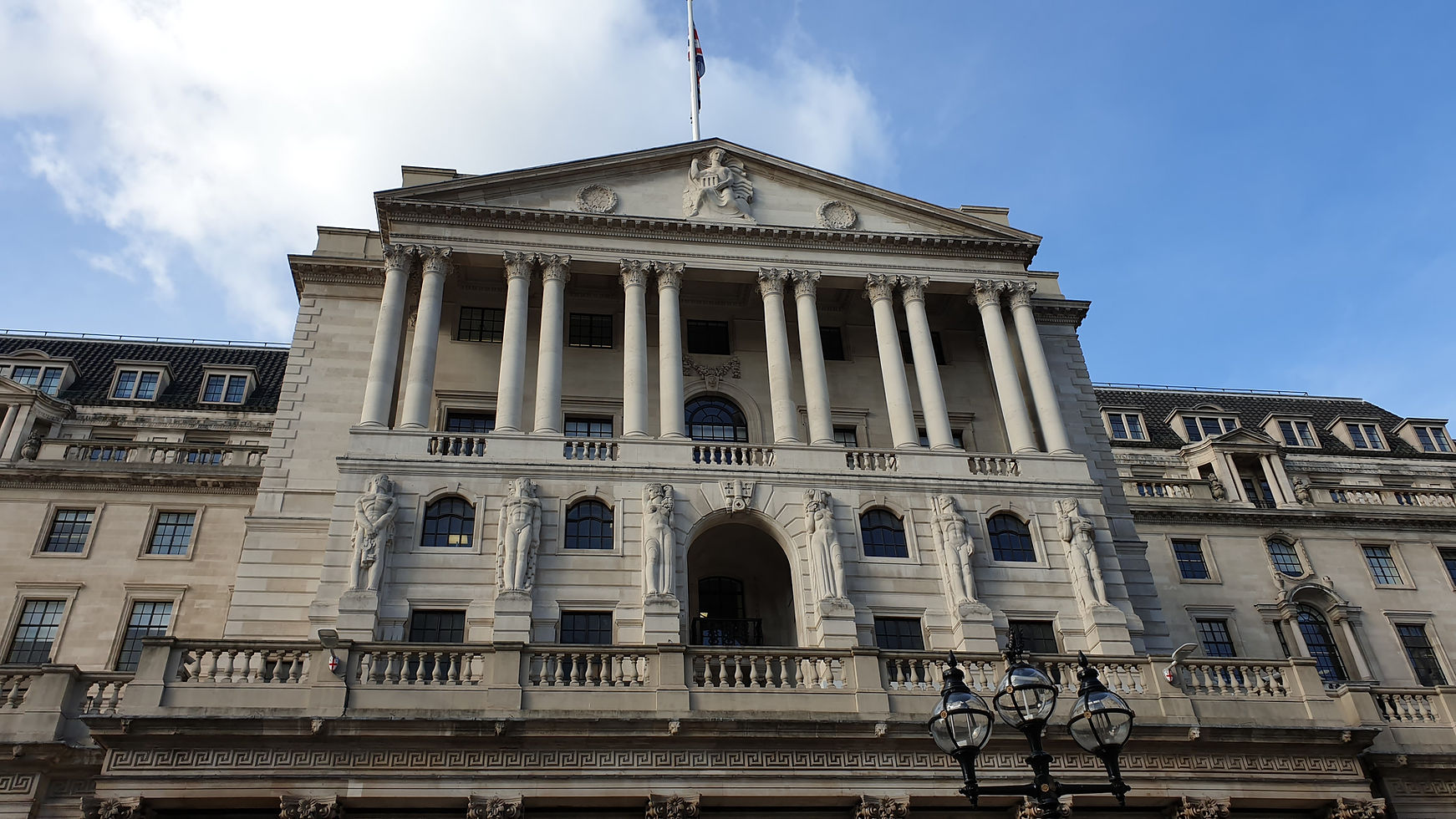
Photo: Katie Chan · Public domain
For London, the decision reaches far beyond Threadneedle Street. Banks and asset managers will translate the vote into gilt yields, currency moves and lending expectations. Employers will consider whether financing costs are likely to stay high. Homebuyers and landlords will watch mortgage pricing, while retailers and hospitality businesses will judge whether households have room to spend after energy, travel and credit bills rise.
The committee has held Bank Rate at 3.75% through a series of meetings, but earlier votes revealed disagreement about whether inflation required tighter policy. A hold today would not mean the risk has disappeared. It could mean a majority wants more evidence before acting. Conversely, an unexpected increase would signal that policymakers see a greater danger in waiting than in adding pressure to an economy that has only recently shown firmer growth.
Recent UK data make the choice unusually balanced. NylonKong's coverage of stronger-than-expected July growth showed services and technology-related activity helping the economy expand. That resilience gives the Bank more room to fight inflation than it would have during a contraction. Yet growth is not evenly distributed, and highly leveraged households or smaller companies can feel the effect of higher rates long before national output visibly slows.
The Bank's language about wages and services will therefore matter as much as the rate itself. Goods prices can respond quickly to currency and commodity moves, while service inflation is often tied to domestic labor costs and changes more slowly. If officials say wage pressure remains inconsistent with the 2% target, markets may price a future increase even if today's number is unchanged.
Quantitative tightening adds another layer. The Bank has been reducing the stock of government bonds acquired under earlier asset-purchase programs. Changes to the pace of that process can affect gilt-market liquidity and the government's financing conditions. Investors will examine whether policymakers adjust bond sales while leaving Bank Rate steady, separating the immediate inflation signal from the longer task of normalizing the balance sheet.
London's financial sector is also navigating a regulatory reset. The recent rewrite facing alternative-investment managers shows firms already absorbing new rules while the cost of capital changes. Higher rates can improve margins for some lenders and returns for savers, but they also increase default risk, depress asset values and make fundraising harder. The same policy move can help one part of the market while straining another.
Today's decision should not be read as a prediction carved in stone. Central banks respond to evolving evidence, and the path can change with energy prices, employment, wages and global demand. A responsible outlook identifies the conditions that could move policy rather than pretending certainty. For the Bank of England, the critical condition is whether the recent inflation increase remains temporary or becomes embedded in domestic prices.
The credibility test is communication. Households and companies can plan around a difficult policy if they understand the trade-off and the evidence behind it. What they cannot plan around is a shifting rule that appears disconnected from the data. Whether the committee holds or moves, London will want a clear explanation of what would trigger the next step—and how the Bank intends to return inflation to target without inflicting unnecessary damage on growth.



Comments