China Will Lower Import Tariffs on 935 Products Beginning in 2026 to Boost Strategic Imports and Support Domestic Industries
- Dec 29, 2025
- 4 min read
Updated: Jan 4
29 December 2025
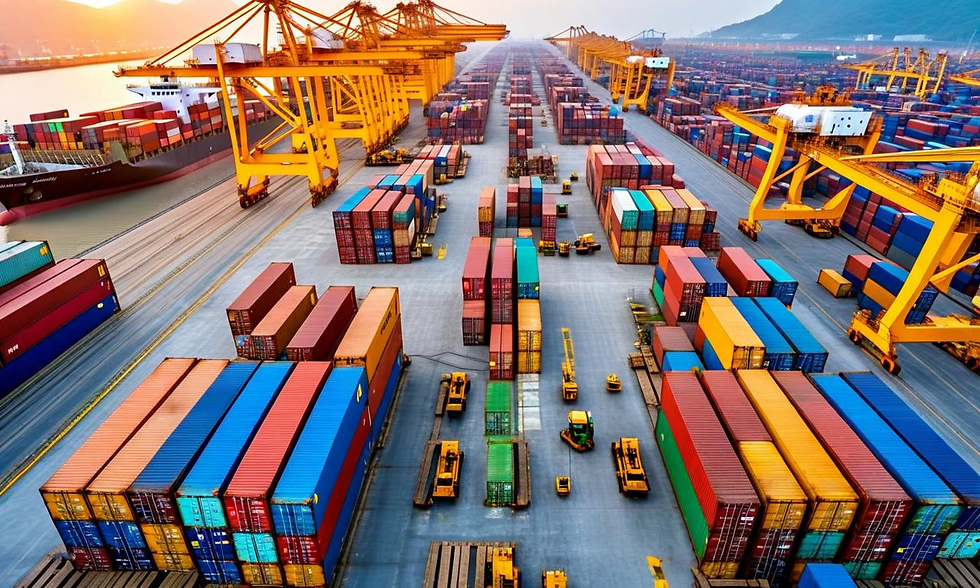
China is planning a targeted reduction in import duties on a wide range of products beginning January 1, 2026, in a move aimed at making certain foreign-sourced inputs more affordable, encouraging trade in key sectors and aligning its market policy with priorities in manufacturing and healthcare. The Customs Tariff Commission of the State Council announced that provisional import tariff rates for 935 specific items will be set below the standard most-favoured-nation levels that apply to all World Trade Organization member states, signalling a carefully calibrated shift in Beijing’s approach to trade and economic policy after years of tariff tension in global markets. The products selected for tariff relief include resource-based commodities and recycled materials important for green technologies such as lithium-ion batteries, as well as certain medical devices and diagnostic kits for infectious diseases, reflecting China’s broader industrial and social goals.
Among the categories benefiting from the lower tariff rates are recycled black powder used in the production of lithium-ion batteries, a material that has gained strategic importance as China seeks to bolster its dominance in the electric vehicle and renewable energy supply chains. By reducing the cost of importing such inputs, Beijing is looking to ease supply constraints for manufacturers that rely on these materials, creating a more competitive environment for downstream industries and reinforcing China’s role as a global hub for battery and clean energy technologies. The inclusion of medical products like artificial blood vessels and specialized infectious disease diagnostic kits illustrates a recognition of the role that imports can play in complementing domestic health-care capacity, especially in sectors where innovation and quality matter.
The decision to set provisional rates below the most-favoured-nation tariffs does not amount to a blanket elimination of duties, and the specific percentage cuts for each of the 935 items will depend on product classifications and detailed customs schedules. Nevertheless, the approach marks a notable policy choice that balances China’s desire to protect certain local industries with the need to secure access to imported inputs that are critical in emerging or advanced sectors of the economy. This selective tariff adjustment underscores a broader theme in Chinese trade policy: openness in areas where foreign goods can support domestic development, combined with protection or higher levies in areas deemed sensitive or strategically important.
China’s shift comes at a time when global trade relationships are under strain from geopolitical tensions and reciprocal tariff actions. In 2025, both China and the United States imposed or adjusted tariffs and trade measures, and some global markets experienced heightened uncertainty as a result. Amid this context, Beijing’s tariff reduction can be seen as part of a strategic effort to enhance supply chain resilience, attract foreign inputs that support high-end manufacturing, and mitigate the impact of restrictive trade policies elsewhere. While Beijing frames the tariff cuts as steps to better integrate domestic and global markets, they also reflect a pragmatic recognition that certain foreign goods are essential for China’s industrial upgrading and public health priorities.
Industry analysts say the timing and scope of the tariff reduction suggest that Chinese policymakers are aiming to recalibrate trade policy in a way that reinforces domestic competitiveness without surrendering control over the broader economic agenda. Lower tariffs on battery materials, recycling inputs and advanced components could help reduce costs for Chinese manufacturers and accelerate growth in sectors where China already holds a significant advantage. Conversely, the selective nature of the tariff cuts confined to particular products rather than broad categories signals that Beijing is not embarking on wholesale liberalization but rather pursuing a highly tactical set of adjustments designed to serve particular economic strategies.
For exporters around the world, the move presents both opportunities and uncertainties. Companies that produce components for electric vehicles, renewable energy systems or specialized medical devices may find new avenues to sell into China at more competitive prices, while others in sectors that have not received tariff relief may face continued barriers to market entry. In addition, because the provisional tariff rates will be lower than the most-favoured-nation levels established under WTO rules, there is a question of how China will manage these adjustments within its broader trade commitments and whether similar moves could be expanded in the future to other product groups or industries.
The broader context for China’s tariff policy also includes parallel domestic initiatives aimed at stimulating consumption and economic dynamism, such as large-scale trade-in programs designed to boost sales of consumer goods and new energy vehicles. These domestic measures, coupled with the incoming tariff cuts, point to a multifaceted strategy in which trade policy, industrial planning and consumer incentives are integrated to support China’s evolving economic model. Observers suggest that this integrated approach may help China navigate slowing global demand, manage trade frictions with major partners, and sustain technological advancement in its key growth sectors.
Not everyone, however, sees only positive outcomes. Some critics caution that lowering tariffs on imported inputs could put pressure on local suppliers who compete in the same segments, potentially complicating the competitive landscape for smaller domestic firms. They argue that while access to cheaper imported materials can benefit larger manufacturers, it may simultaneously disadvantage local suppliers who have yet to scale their operations or improve efficiencies. Such dynamics highlight the fine line policymakers must walk between encouraging openness and ensuring that domestic industry remains robust.
As the tariff adjustments take effect in 2026, companies, economists and trade partners will be watching closely to see how the changes play out in practice. Will lower tariffs on targeted goods boost China’s industrial output and global competitiveness as intended? Or will the benefits be unevenly distributed, amplifying existing market disparities? These are among the questions that analysts will be keen to explore in the months ahead as China’s revised trade policy begins to influence shipments, investment decisions and global supply chains.


Comments