Global Oil Shock From Iran War Ripples Across Asia and Threatens Wider Economic Fallout
- Apr 5
- 2 min read
05 April 2026
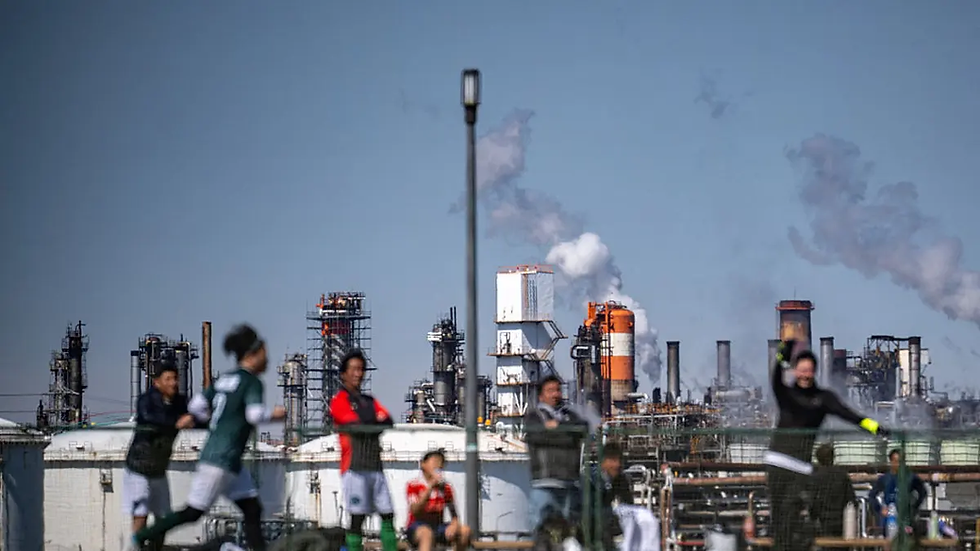
A severe oil crisis triggered by the ongoing Iran war is already hitting economies across Asia, with early impacts signaling deeper disruptions ahead for Europe and Africa. The conflict has significantly reduced global oil supply, with estimates suggesting around a 10 percent drop, largely due to disruptions in the Strait of Hormuz, one of the world’s most critical energy shipping routes.
Asian economies have been the first to feel the shock due to their heavy reliance on imported energy from the Middle East, which supplies a large share of their oil and liquefied natural gas needs. Countries such as India and Australia have begun implementing fuel conservation measures, while others are experiencing rising costs, rationing, and pressure on industrial output as energy shortages begin to take hold.
The disruption has also affected manufacturing activity across the region, as higher fuel costs and limited supply slow production and increase operating expenses. Factories in energy intensive industries are facing mounting challenges, and some are already scaling back operations, highlighting how quickly the energy shock is translating into broader economic strain.
While Asia is currently at the center of the crisis, the effects are expected to spread as global supply chains adjust and energy markets tighten further. Europe, which initially benefited from existing reserves and alternative supply routes, is beginning to experience rising costs and reduced availability as shipments are redirected toward higher paying Asian markets.
European governments have started preparing for potential shortages by encouraging reduced energy consumption and considering measures such as fuel purchase limits and demand controls. Officials are also closely monitoring reserves, recognizing that prolonged disruptions could deplete stockpiles and create a more acute crisis in the coming months.
The situation is even more precarious for parts of Africa, where many countries are heavily dependent on imported fuel and have limited financial capacity to absorb price increases. Analysts warn that rising energy costs could lead to inflation, economic instability, and reduced access to essential goods, particularly in lower income nations.
At the global level, the crisis is contributing to rising inflation and slowing economic growth, with energy prices acting as a key driver of broader cost increases. Oil prices have surged sharply since the start of the conflict, and disruptions to fuel and fertilizer supplies are also raising concerns about food security and long term economic stability.
As the conflict continues with no clear resolution in sight, the oil shock is expected to persist, reshaping energy markets and economic conditions worldwide. What began as a regional disruption has quickly evolved into a global challenge, with its full impact likely to unfold over the coming months as supply constraints and geopolitical tensions continue to influence the flow of energy.


Comments