Hong Kong Weathered the Storm as Typhoon Wipha Roared Past, Leaving Fallen Trees, Flooding, and Flight Chaos
- Jul 20, 2025
- 2 min read
20 July 2025
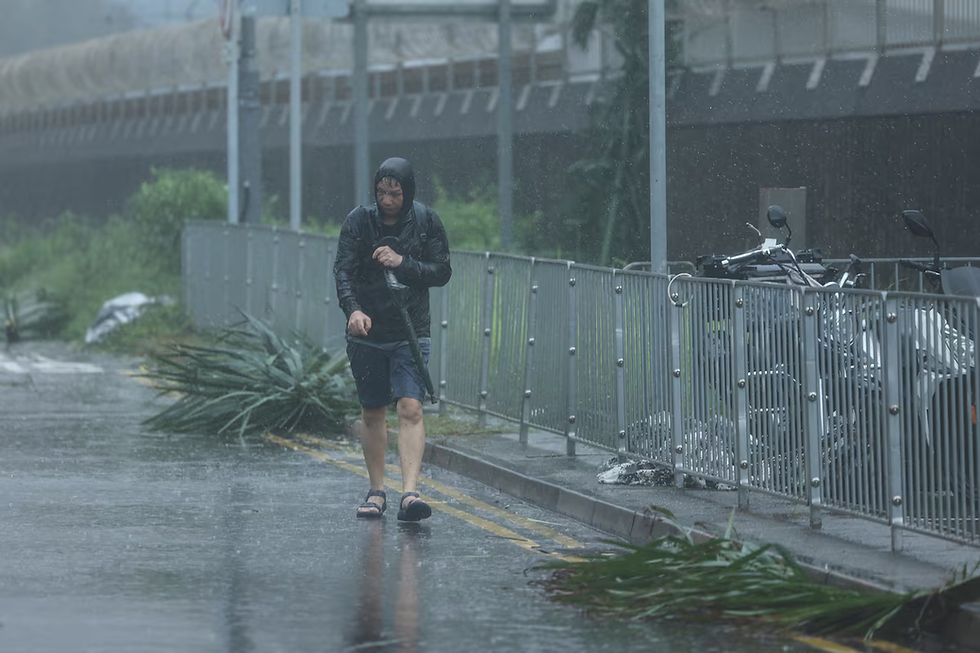
Typhoon Wipha unleashed intense rainfall and powerful winds as it skimmed past Hong Kong on Sunday, July 20, plunging the city into a dramatic weather event. The Hong Kong Observatory raised its storm warning to Signal 10 the highest level as gusts surpassed 167 kph and more than 110 mm of rain fell within just a three-hour span. Skirting approximately 50 km south of the territory, the storm’s ferocity hit the city with hurricane-force force late into the morning and afternoon.
The storm’s impact was felt across the city’s urban and residential areas. Eastern District councillor Kenny Yuen noted that compared with storms like Mangkhut and Hato, Wipha’s destruction was more selective dozens of trees were uprooted and bamboo scaffolding collapsed in North Point and other neighborhoods. Still, the damage was significant: official reports cited 471 fallen trees, dozens of beds ready for residents displaced from affected structures, and over 250 people who sought refuge in emergency shelters.
Spanning from early morning through midday, the city’s transit infrastructure virtually ground to a halt. Around 400 flights were either canceled or delayed, affecting over 80,000 travelers at Hong Kong International Airport. Cathay Pacific alone suspended all flights in and out of the airport for approximately thirteen hours and proactively made ticket rescheduling easier for passengers. Ferry services and most public transport also stopped operating due to dangerous sea conditions.
Emergency services were prepared for heavier damage, but injuries remained relatively contained: 26 people sought medical treatment for injuries ranging from lacerations and bruises to falls during the storm. No fatalities were reported. Additionally, over 253 residents found safety in official shelters managed by authorities, adding to the extensive relief efforts underway.
By 4 p.m., the Observatory downgraded the storm to Signal 8, and later in the evening to Signal 3 as the typhoon tracked into Guangdong’s Taishan city before weakening further. Nearby Macau also lowered its signal to 8, maintaining caution amid local flood warnings.
Beyond the immediate disruption to travel and daily routines, the storm once again highlighted Hong Kong’s vulnerability to tropical cyclones and the importance of urban resilience. Past storms such as Mangkhut in 2018 and Hato in 2017 which caused widespread destruction and significant human tolls underscore the critical need for continued investment in both infrastructure and emergency preparedness.
In the days ahead, the focus will shift to cleanup and restoration. Fallen trees blocking streets and damaged scaffolding will demand urgent attention, alongside assessments of infrastructure stability. Local landslides and flooding hotspots near coastal and low-lying regions will also be closely monitored as the city regains its footing.
Typhoon Wipha’s passage reminds us that Hong Kong’s rapid urban growth has brought both achievement and challenge. With high population density and limited space near waterfronts, the city must balance development ambition with enhanced safeguards stronger building practices, resilient transit systems, and improved emergency response protocols. Additionally, as climate patterns shift, more frequent and intense storms threaten densely built environments.



Comments