Oil Markets Surge as Middle East War Sends Shockwaves Through Global Energy Supply

09 March 2026
A sudden surge in oil prices has rattled global markets as the expanding conflict involving the United States, Israel and Iran threatens to choke one of the world’s most critical energy supply routes. What began as a regional military confrontation has rapidly evolved into a crisis with enormous economic consequences, sending crude oil prices soaring and raising fears that consumers and businesses worldwide could soon face a new wave of inflation driven by energy costs.
In early trading, oil prices jumped dramatically as investors reacted to the possibility that the conflict could disrupt the steady flow of crude from the Middle East. Brent crude surged above 119 dollars per barrel during the session, marking the highest level since 2022, before easing later in the day to around 102 dollars. U.S. West Texas Intermediate crude followed a similar pattern, climbing above 119 dollars before settling near 100 dollars per barrel.
The sharp price movement reflects growing anxiety that the war could significantly reduce the amount of oil reaching global markets. Analysts say the sudden escalation of hostilities has already begun affecting production and transportation across the region. Several major oil producing countries have cut output while infrastructure disruptions and security concerns continue to ripple through the energy supply chain.
Since the United States and Israel launched strikes on Iran near the end of February, crude prices have climbed dramatically. Brent crude has surged by as much as sixty five percent during the conflict, while U.S. crude benchmarks have risen even more sharply in some trading sessions.
The biggest concern among energy traders is the fate of the Strait of Hormuz, the narrow waterway that serves as one of the most vital oil shipping corridors in the world. Nearly one fifth of global oil consumption normally passes through the strait each day, making it a critical artery for international energy trade.
Military activity in the region has already disrupted tanker traffic. Ships have been forced to avoid the area due to missile threats and naval confrontations, causing a dramatic drop in maritime transit. The resulting bottleneck has pushed energy markets into a state of extreme volatility, with traders scrambling to price in the risk of prolonged supply shortages.
Compounding the problem, several major producers in the Gulf have begun reducing output due to logistical complications and limited storage capacity. The sudden shift in supply has created an unusually tight market structure in which immediate deliveries of crude oil are significantly more expensive than future contracts, a signal that traders fear near term shortages.
Energy analysts say the scale of the price jump highlights how sensitive oil markets remain to geopolitical shocks. Even relatively small disruptions to Middle Eastern supply can send prices climbing rapidly because global energy demand remains high and spare production capacity is limited.
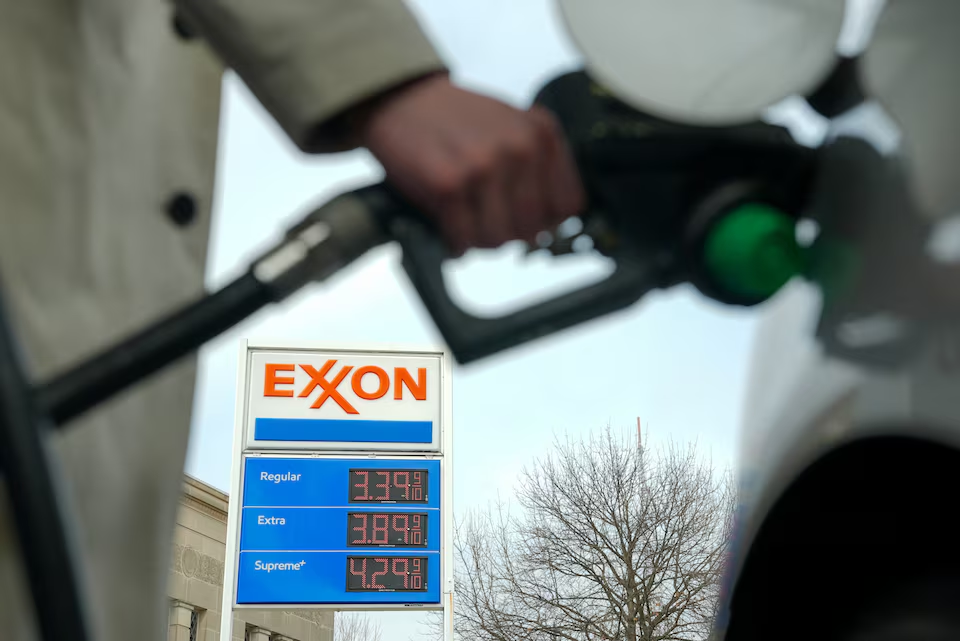
For consumers, the impact could soon become visible at gas stations and in utility bills. Rising crude prices tend to flow quickly through the global economy, affecting everything from transportation and manufacturing to food production. When oil becomes more expensive, companies often pass those costs on to consumers through higher prices.
In the United States, gasoline futures have already climbed sharply alongside crude oil. Some analysts warn that if the conflict continues or worsens, fuel prices could climb further, potentially pushing gasoline costs significantly higher in the coming weeks.
Governments around the world are now discussing possible emergency responses to stabilize markets. One option being considered is a coordinated release of strategic petroleum reserves by major industrial nations. Such releases are designed to temporarily increase supply during crises, helping to calm markets and prevent runaway price spikes.
However, reaching international consensus on such measures can be difficult. Some countries are reluctant to tap emergency reserves unless the disruption becomes severe or prolonged. Others argue that releasing reserves too early could limit the ability to respond if the conflict intensifies.
Financial markets are also reacting to the sudden energy shock. Investors worry that sustained high oil prices could slow economic growth by increasing costs for businesses and households. Higher fuel prices can also complicate efforts by central banks to control inflation, forcing policymakers to rethink interest rate strategies.
Despite the dramatic price surge, some analysts note that oil markets remain extremely sensitive to headlines and could swing sharply in either direction depending on developments in the conflict. A diplomatic breakthrough or a ceasefire could quickly ease supply fears and push prices downward. On the other hand, further attacks on energy infrastructure or shipping routes could drive prices even higher.
For now, traders are watching the Middle East with intense focus, knowing that each new development could shift the balance of the global energy market. The conflict has already demonstrated how quickly geopolitics can reshape the economic landscape, reminding the world that the stability of modern energy systems often depends on fragile political realities.
As the war continues to unfold, oil markets may remain on edge for weeks or even months. The longer the conflict threatens supply routes and production facilities, the greater the likelihood that energy prices will stay elevated, placing new pressure on economies that are still recovering from years of inflation and global uncertainty.



Comments