Trump Proposes One-Year Cap on Credit Card Interest at 10 Percent in Bid to Ease Borrowing Costs
- Jan 11
- 4 min read
11 January 2026

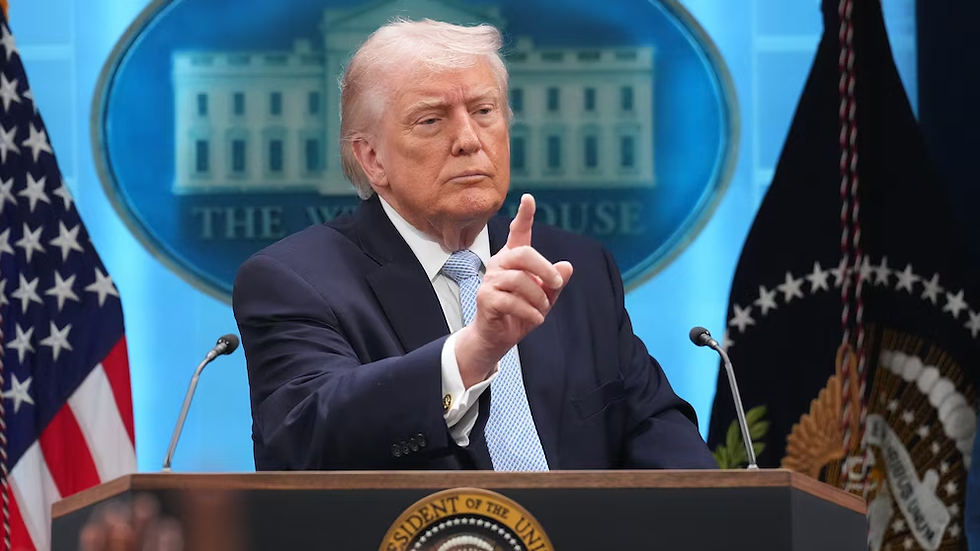
In a move that has shaken both Wall Street and the political world, U.S. President Donald Trump announced a proposal on January 10, 2026 calling for a temporary cap on credit card interest rates at 10 percent for one year beginning January 20, the first anniversary of his second inauguration. The proposal was delivered via his social media platform Truth Social, where Trump framed the move as part of a broader effort to address the rising cost of consumer borrowing in an economy where many households carry high-interest debt. At a time when the average credit card annual percentage rate (APR) in the United States hovers near 20 percent, Trump’s announcement has ignited debate about consumer relief, regulatory limits, market consequences and how far the executive branch can go without Congressional action.
Trump’s goal in proposing the interest rate cap is straightforward in its intent: to end what he described as the “ripping off” of American consumers by credit card issuers. In his Truth Social post, he argued that many families struggle under the burden of high APRs that can range from roughly 20 to 30 percent, particularly when revolving balances are carried from month to month. By imposing a 10 percent ceiling on those rates for one year, Trump said he wants to make borrowing more affordable at a moment when inflation and living-cost pressures remain salient issues for voters ahead of the 2026 midterm elections.
However, the announcement immediately laid bare a central paradox: the president called for the cap without outlining a mechanism for enforcement or legislative backing. Legal and policy experts have been quick to point out that such a regulatory change would require action by Congress and cannot be accomplished unilaterally via executive order, a point reflected in commentary by Wall Street analysts who describe the idea as having “slim odds” of advancing without bipartisan legislative support. That conclusion echoes historical efforts to CBOA-grade broad national rate caps, which have struggled to gain traction in both the House and Senate in past sessions.
The financial sector’s reaction has been swift and definitive. Major U.S. financial stocks fell sharply in response to the announcement, reflecting investor concern over how a hard cap on interest rates could hit a key source of revenue for banks and card issuers. Stocks of companies that derive significant income from credit card portfolios including issuers like Visa, Mastercard and large lenders slipped in early trading as markets digested the potential threat to profit margins. Even airline stocks were affected because of their co-branded credit card partnerships, highlighting the broader economic ripples of the proposal beyond just the banking sector.
Industry groups and bank executives have seized on the uncertainty embedded in the proposal to issue cautionary assessments. U.S. banks, including large national lenders, warned that a 10 percent maximum rate could inadvertently reduce access to credit for millions of consumers, especially those with lower credit scores who may be seen as higher risk under sharply constrained pricing models. Some analysts estimate that a majority of credit card accounts particularly those tied to subprime or near-prime borrowers could be closed or restricted if profitability plummeted under a rigid rate cap.
Those warnings are not without nuance. Some proponents of interest rate regulation have argued that imposing limits could save consumers substantial amounts in interest payments figures as high as $100 billion annually have been cited in some studies and bring overdue relief to households carrying balances. But opponents counter that an overly restrictive cap could push consumers toward more costly, less regulated forms of credit, like payday loans or high-interest personal financing options, undercutting the very affordability benefits the proposal aims to achieve.
Political reaction to the proposal has been mixed, reflecting broader partisan and ideological divides on how to address consumer debt and the role of federal regulation in financial markets. Some lawmakers, particularly on the progressive side of the aisle, praised Trump for spotlighting credit card costs as a political issue that merits serious discussion. Bipartisan efforts in recent sessions including legislative proposals from Senators Bernie Sanders and Josh Hawley have also sought caps on interest rates, though none have advanced into law. Conversely, critics like Senator Elizabeth Warren derided the measure as symbolic at best, noting that without clear legislative action and implementation plans, the announcement amounts to little more than political theater.
Amid the political and market turmoil, analysts emphasize that the substance of the proposal beyond the headline will hinge on how the administration and Congress would stand any such policy up in practice. Questions abound about whether lenders would be compelled to comply, how credit risk pricing might adapt, and whether such a cap could meaningfully reduce the overall cost of credit without debilitating the institutions that provide it. Many observers suggest that without detailed regulatory frameworks and statutory authority, the proposal is unlikely to move forward in its current form, leaving its future contingent on an often slow and fractious legislative process.
The proposal’s emergence as a political flashpoint underscores how credit and consumer finance have become central themes in broader debates about economic justice, affordability and the balance between market freedoms and regulatory protections. In a landscape where millions of Americans carry credit card debt and financial stress remains a pressing issue, the idea of a rate cap strikes a chord with many who feel squeezed by high borrowing costs. Yet the economic trade-offs, legal obstacles and industry pushback reveal just how complex any effort to reshape the credit card market truly is.
As the conversation unfolds, policymakers on both sides of the aisle will likely grapple with reconciling consumer relief objectives with the practical realities of credit markets and financial stability. Whether Trump’s proposal becomes law or remains a bold political statement, its impact on public discourse around credit affordability and regulatory intervention is already unmistakable.


Comments