U.S. Goods Trade Deficit Surges in May as Imports Climb to Fourteen Month High

26 June 2026
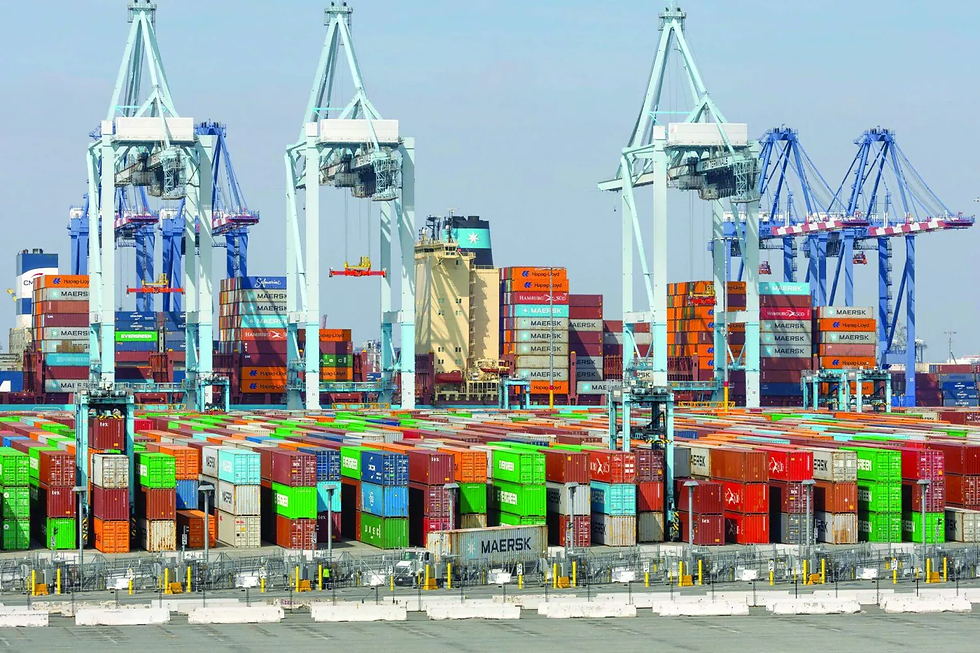
The United States recorded a sharp increase in its goods trade deficit during May as imports surged while exports declined, highlighting the continued strength of domestic demand despite persistent inflation and global economic uncertainty. The latest figures suggest that American businesses and consumers remain heavily dependent on imported products, even as policymakers work to strengthen domestic manufacturing and reduce trade imbalances.
According to data released by the Commerce Department, the U.S. goods trade deficit widened to $105.8 billion in May, marking the largest monthly shortfall in fourteen months. The figure significantly exceeded economists' expectations and represented a substantial increase from April's deficit of $83.0 billion. The unexpected jump has renewed concerns about the impact of trade on overall economic growth during the second quarter of the year.
The widening deficit was driven primarily by a strong increase in imports. Businesses boosted purchases from overseas as they sought to secure inventory and avoid potential supply shortages and higher costs associated with geopolitical tensions, particularly those linked to the recent conflict involving Iran. Total imports of goods climbed 3.6 percent to $313.4 billion, the highest level recorded in more than a year.
Several categories experienced notable increases. Imports of motor vehicles and automotive parts rose by 6.3 percent as manufacturers and dealerships continued replenishing inventories. Consumer goods imports increased 5.7 percent, reflecting sustained demand for everyday products despite ongoing concerns about affordability. Capital goods, including advanced technology equipment and machinery, also recorded gains, supported in part by continued investment in artificial intelligence infrastructure.
While imports accelerated, exports moved in the opposite direction. American goods exports fell 5.4 percent to $207.7 billion, with declines reported across several major categories including consumer goods, industrial supplies, and capital equipment. The drop reduced overseas sales at a time when many manufacturers were hoping stronger international demand would offset slower domestic growth.
Economists note that the latest trade figures reflect several competing forces shaping the U.S. economy. On one hand, strong consumer spending continues supporting demand for imported products. Many households have remained financially resilient, helped by tax refunds, rising stock markets, and relatively stable employment conditions. On the other hand, higher imports contribute to a larger trade deficit, which can reduce gross domestic product calculations even when underlying consumer activity remains healthy.
Artificial intelligence investment has emerged as another important driver of import growth. Technology companies continue purchasing large volumes of computer chips, servers, networking equipment, and advanced electronics needed to build next generation AI systems. Much of this hardware is manufactured overseas, increasing reliance on imported technology products even as domestic investment remains robust.
The recent easing of tensions surrounding shipping through the Strait of Hormuz has helped stabilize some global supply chains and reduce oil prices from recent highs. However, economists caution that the temporary improvement may not significantly reduce America's dependence on imported goods, particularly in sectors linked to technology and advanced manufacturing.
Trade has already weighed on economic growth during previous quarters, and analysts believe the larger May deficit could once again affect overall GDP performance. Some forecasts suggest the expanding trade gap may reduce second quarter annualized growth estimates, despite otherwise solid consumer spending and business investment.
Financial markets reacted cautiously to the report, recognizing that a widening trade deficit presents a mixed economic picture. Strong imports often signal healthy domestic demand, but persistent trade imbalances can also highlight structural challenges related to manufacturing competitiveness and supply chain dependence.
Policymakers continue seeking ways to strengthen American production while maintaining access to critical global supply networks. Recent efforts to encourage domestic manufacturing, particularly in semiconductor production and advanced technology industries, aim to reduce long term reliance on imports. However, those initiatives require years of investment before meaningful changes become visible.
For businesses, the latest trade data underscores the importance of resilient supply chains. Companies continue balancing the need to secure inventory with the challenges created by geopolitical uncertainty, transportation costs, and shifting global trade patterns.
For consumers, the effects are less immediately visible but equally important. Imported goods remain central to everyday life, from vehicles and electronics to clothing and household products. Continued demand for these items reflects confidence among many households, even as inflation and higher living costs remain ongoing concerns.
As the second half of the year begins, economists will closely monitor whether imports remain elevated or begin to moderate alongside changing economic conditions. The May figures demonstrate that despite ongoing efforts to reshape trade relationships, the United States remains deeply connected to global commerce, with international trade continuing to play a major role in shaping the country's economic outlook.



Comments