U.S. Producer Prices Fall Unexpectedly as Inflation Pressures Ease Before Oil Price Surge

15 July 2026
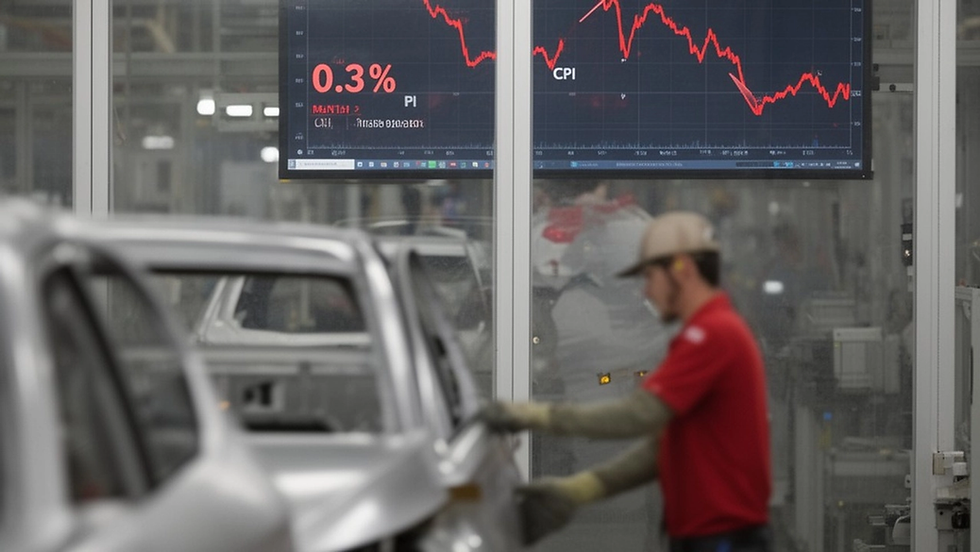
Fresh signs of easing inflation emerged in the United States after wholesale prices unexpectedly declined in June, offering encouraging news for businesses, consumers and policymakers. The latest data suggested that price pressures were beginning to cool before renewed tensions in the Middle East triggered another jump in global oil prices, creating fresh uncertainty about the inflation outlook for the months ahead.
According to the U.S. Labor Department, the Producer Price Index, which measures prices received by producers for goods and services, fell 0.3 percent in June. The decline was the largest monthly drop in 14 months and surprised economists, who had expected prices to remain largely unchanged. The report followed another encouraging inflation reading released a day earlier, reinforcing hopes that inflation had been moving in the right direction before geopolitical events complicated the economic picture.
A significant factor behind the decline was a sharp fall in energy prices. Energy products dropped 6.4 percent during the month, with gasoline accounting for much of the decrease. Lower food prices also contributed to the overall decline, as grain and vegetable prices moved lower, helping offset increases in other areas of the economy.
Despite the encouraging headline figure, economists cautioned that underlying inflation pressures remain stronger than they first appear. Core producer prices, which exclude food, energy and trade services because of their greater volatility, still increased by 0.1 percent during the month and were up 5.1 percent from a year earlier. Prices tied to artificial intelligence related products and services also continued rising, reflecting sustained demand for rapidly expanding technology sectors.
The timing of the report has made it especially noteworthy. Shortly after the June data was collected, military tensions between the United States and Iran intensified, pushing oil prices significantly higher. Analysts warn that if elevated crude prices persist, they could reverse some of the recent progress on inflation by increasing transportation, manufacturing and energy costs across the economy.
Financial markets responded positively to the inflation report. Wall Street stocks moved higher as investors welcomed signs that wholesale price pressures were easing, while U.S. Treasury yields declined. Lower inflation generally improves investor confidence because it reduces the likelihood of aggressive interest rate increases by the Federal Reserve, supporting both consumer spending and corporate investment.
The latest figures also influenced expectations for monetary policy. Most investors now believe the Federal Reserve is likely to leave interest rates unchanged at its July meeting, keeping the benchmark rate between 3.50 percent and 3.75 percent. However, market participants still view a possible rate increase later in the year as a realistic outcome if inflation accelerates again due to rising energy costs or stronger economic growth.
Although wholesale prices declined, economists stress that inflation has not disappeared. Many businesses continue facing higher labor costs, elevated insurance expenses and persistent price increases in technology related sectors. These factors may continue placing upward pressure on consumer prices even if energy costs temporarily stabilize. The continued expansion of artificial intelligence infrastructure, in particular, has created strong demand for specialized equipment and services, keeping prices elevated in parts of the economy.
Producer prices are closely watched because they often provide an early indication of future consumer inflation. If manufacturers and wholesalers pay more for raw materials or production, those higher costs are frequently passed along to households through increased prices for everyday goods and services. Conversely, falling producer prices can eventually contribute to slower inflation for consumers if businesses choose to reduce prices rather than absorb higher costs.
For now, the June report offers evidence that inflation was moving toward a more manageable level before geopolitical developments introduced fresh uncertainty into global energy markets. Whether that progress continues will largely depend on how oil prices evolve over the coming months and whether businesses are able to avoid passing higher fuel costs on to consumers.
The latest figures present a mixed but cautiously encouraging picture for the U.S. economy. Wholesale inflation has eased more quickly than expected, suggesting earlier efforts to control price growth may be taking effect. At the same time, renewed geopolitical tensions and rising oil prices remind policymakers that inflation risks have not disappeared. As the second half of the year unfolds, both businesses and investors will be watching closely to see whether recent progress can withstand the pressure of higher global energy costs.



Comments