UK Grocery Inflation Slows as Food Prices Offer Relief to Shoppers

21 July 2026
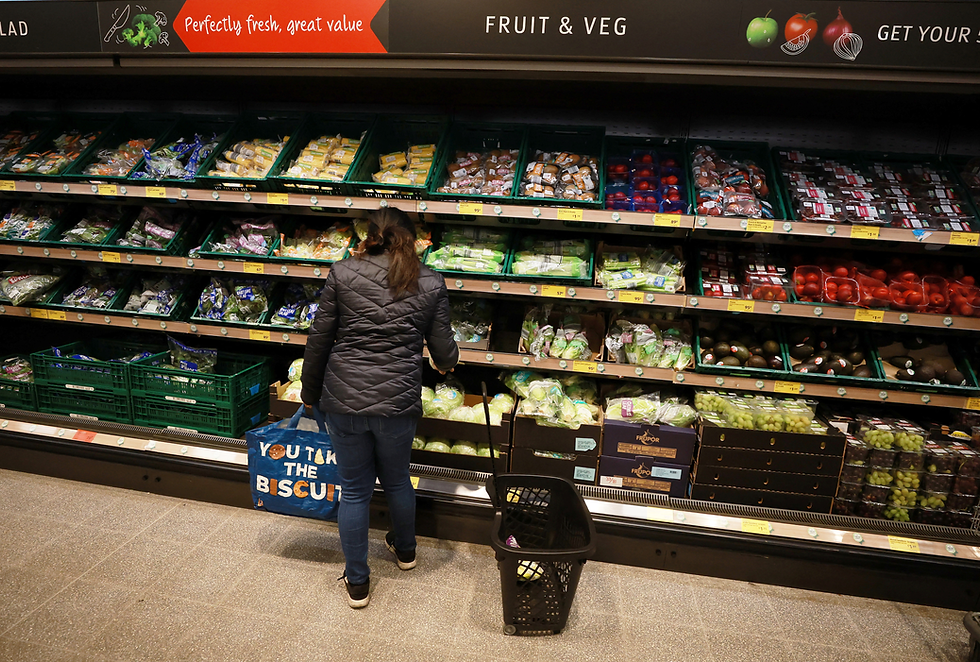
British shoppers have received a welcome break after grocery price inflation eased to its lowest level in more than a year, providing some relief for households that have spent years coping with rising living costs. While supermarket bills remain higher than they were a year ago, the latest figures suggest the pace of food price increases is beginning to moderate, giving consumers a little more breathing room as they manage household budgets.
According to new data from Worldpanel by Numerator, grocery inflation slowed to 2.6 percent during the four weeks leading up to July 12, down from 3.0 percent in the previous reporting period. It marks the lowest annual rate of grocery inflation since December 2024 and reflects an improving picture for consumers following a prolonged period of elevated food prices.
Although inflation has eased, the overall cost of groceries remains considerably higher than in previous years. The research estimates that the average British household spent approximately £5,530 on groceries over the past year, an increase of £156 compared with the previous twelve months. The figures highlight an important distinction between slower inflation and lower prices. Food is still becoming more expensive, but it is doing so at a slower pace than before.
The latest improvement comes during a period of shifting economic conditions across the United Kingdom. Official inflation data released shortly afterward also showed the country's broader inflation rate easing to 2.6 percent in June, giving the new government an encouraging start as it focuses on reducing the cost of living. Economists, however, caution that recent declines could prove temporary if energy prices continue rising following renewed geopolitical tensions in the Middle East.
Supermarkets have continued competing aggressively for customers by offering discounts, loyalty rewards and promotional pricing. That intense competition has helped limit price increases on many everyday grocery items while encouraging consumers to shop around for the best value. Analysts say retailers remain under pressure to balance rising operating costs with customer demand for affordable food, particularly as households continue watching their spending carefully.
Sales across Britain's grocery sector reflected steady consumer demand despite ongoing financial pressures. Total supermarket sales increased 3.3 percent compared with the same period last year, helped by warm summer weather and increased spending linked to the Women's FIFA World Cup. Seasonal demand for barbecue foods, chilled drinks, ice cream and fresh produce contributed to stronger sales during the reporting period.
Among the major supermarket chains, competition remained intense. Tesco continued to hold the largest share of Britain's grocery market, although its market share slipped slightly despite recording sales growth of 1.7 percent. Sainsbury's posted a stronger increase of 2.8 percent, while discount retailer Lidl delivered the fastest growth among traditional supermarkets with sales climbing 8.6 percent. Online retailer Ocado performed even more strongly, reporting an impressive 14.1 percent increase in sales as more consumers continued embracing home grocery deliveries.
Asda also showed signs of improvement despite remaining under pressure. The supermarket reported a 1.1 percent decline in sales compared with the previous year, but analysts noted this represented a better performance than in earlier reports, suggesting efforts to stabilize the business may be beginning to show results.
Despite the encouraging inflation figures, economists remain cautious about the months ahead. The recent escalation of conflict involving Iran has already pushed global oil prices higher, raising concerns that transportation and energy costs could eventually feed through into supermarket prices. Since fuel plays a critical role in food production, packaging and distribution, sustained increases in energy costs could slow or even reverse recent progress on grocery inflation.
For British households, however, the latest figures represent a positive development after several years of persistent price increases. While grocery shopping remains significantly more expensive than before the recent inflation surge, the slower pace of rising prices offers some welcome relief for families carefully managing their budgets. Whether that improvement continues will depend largely on future energy markets, global supply chains and the competitive pricing strategies adopted by Britain's leading supermarket chains in the months ahead.



Comments