Hong Kong Businesses Are Optimistic—but Want Clearer Policy and AI Support

HONG KONG — Business leaders in Hong Kong are entering the next 12 to 18 months with a noticeably constructive outlook, but their confidence comes with a clear request: make the city's long-term direction easier to understand and the path to investment easier to finance. A DBS Hong Kong survey released Monday found that 63% of respondents felt positive or very positive about the outlook for businesses in the city.
The bank surveyed 250 Hong Kong-based business owners and senior decision-makers between August 6 and September 7. The sample included small and medium-sized enterprises as well as large and mid-sized companies. Because the research measures the views of respondents rather than every firm in the city, its percentages should be read as a directional signal. Even so, the results offer a timely look at how executives are balancing expansion plans with operational pressure.

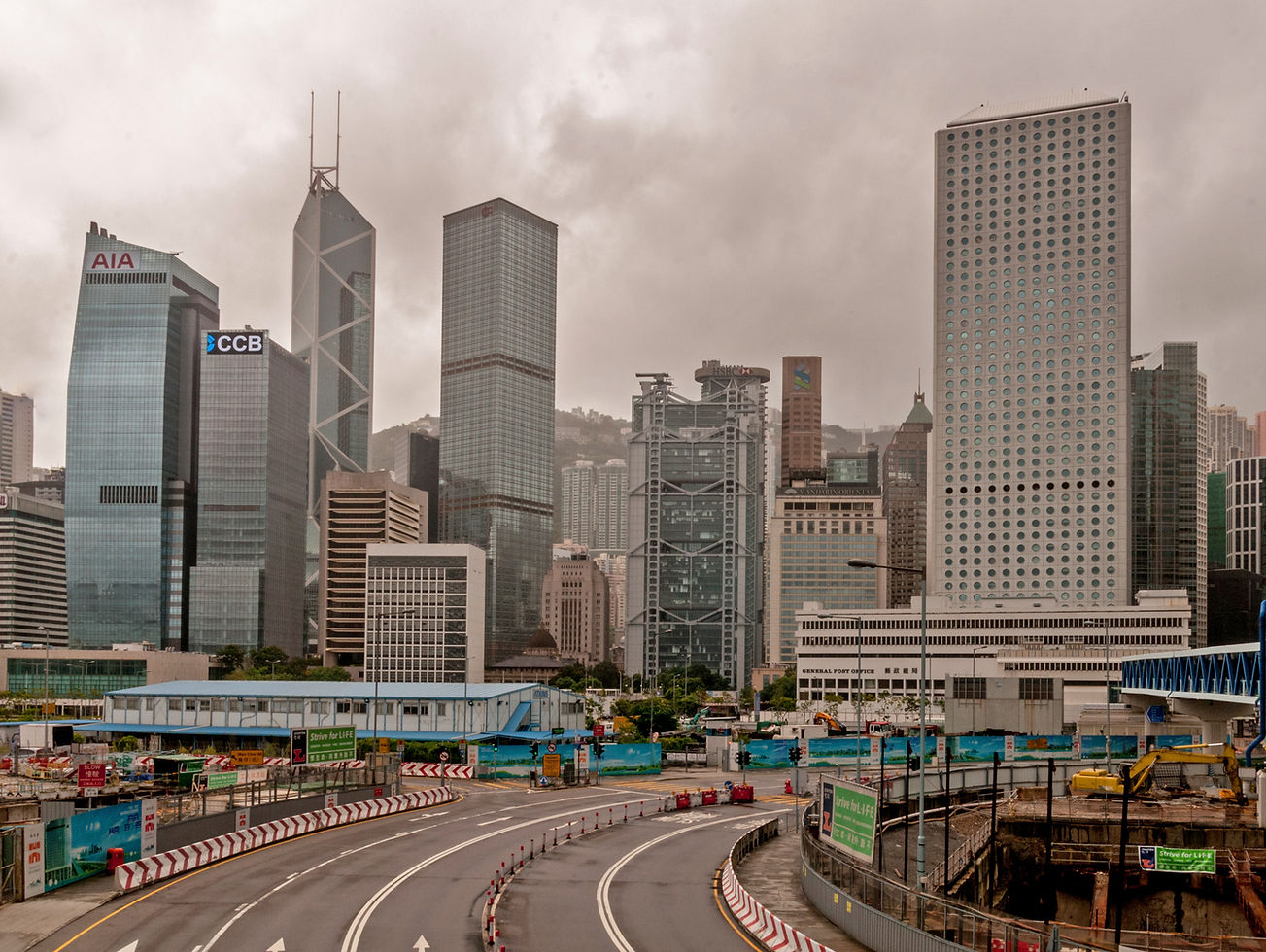
Photo: Wilfredor · CC BY-SA 3.0
Innovation ranked first among the strategic priorities businesses identified for the next three to five years. Fifty-three percent selected product or service innovation, followed by cost optimization and efficiency at 46% and improving customer experience at 31%. That mix is revealing. Companies are not choosing between growth and discipline; they are trying to develop new revenue while protecting margins and making existing operations work harder.
The policy requests were equally specific. Forty-nine percent said tax incentives and financial support would be the most effective catalyst for investment and growth. Measures that make cross-border resource flows easier followed at 28%, while 22% prioritized clearer long-term plans and policies. The message is less a demand for blanket assistance than a call for predictable rules and targeted support that can turn boardroom confidence into committed capital.
Artificial intelligence exposed the sharpest divide by company size. DBS reported that 62% of large and mid-sized businesses had fully or partly integrated AI and digital technologies into their operations. Among SMEs, the figure was 38%. Larger companies generally have more capital, specialist staff and room to experiment. Smaller firms may see the same opportunity but face a much higher cost when a project fails or a key employee is pulled away from daily operations.
Respondents most often used digital tools to improve product or service quality, cited by 49%, and to streamline operations and reduce costs, cited by 48%. Thirty-six percent pointed to automating routine tasks. The barriers were also practical: skills shortages and data-security or privacy concerns were each named by 37%, high implementation and maintenance costs by 35%, and difficulty integrating new technology with existing systems by 34%.
Those numbers suggest that Hong Kong's AI debate is moving past awareness. The question is no longer whether businesses have heard the promise; it is whether they can find people, systems and financing capable of producing a measurable return. Training programs alone will not solve legacy-software problems, while cheap tools will not answer governance concerns. Effective support has to connect skills, cybersecurity, procurement and implementation rather than treating each obstacle separately.
The survey arrives as official data describe an economy that expanded robustly in the second quarter, supported by trade and resilient domestic demand. Retail sales had recorded a fifteenth consecutive month of growth by July. That backdrop helps explain the optimism, but executives are still looking for clearer commercial pathways around major projects and regional opportunities. Strong macroeconomic momentum does not automatically tell an individual firm where to invest next.
NylonKong has recently tracked Hong Kong's returning finance talent and the effort to widen the role of the city's capital markets. The new survey adds the operating-company perspective. Fundraising, listings and financial infrastructure matter because they supply the capital; business confidence matters because it determines whether firms actually hire, build and expand. A healthy cycle requires both sides to move together.
The Northern Metropolis illustrates the gap between broad ambition and a bankable project. Respondents recognized its potential, according to DBS, but wanted clearer commercial use cases, participation routes and incentives. That is a familiar development challenge: a long-range plan may be compelling at the city level, while a company still needs timelines, customers, partners and a credible return before signing a contract.
Hong Kong's next phase of growth will therefore depend on conversion. The optimistic headline is useful, but the harder work is turning 63% positive sentiment into technology upgrades, cross-border deals and productive investment. Policymakers and financial institutions now have a detailed map of what businesses say is slowing them down. Progress can be measured by whether the SME adoption gap narrows and whether strategic clarity produces decisions that survive beyond the next survey cycle.
Related coverage: Hong Kong's returning finance talent and fundraising rebound and the city's effort to widen the role of its capital markets.



Comments