New York’s $8.4 Million Small-Business Grants Target Main Streets

NEW YORK — New York City is directing more than $8.4 million into nearly 90 grants intended to strengthen small businesses and the commercial corridors around them. The initiative puts neighborhood storefronts, merchant groups and local development organizations at the center of an economic strategy that treats healthy main streets as essential infrastructure rather than decorative extras.
The grants were announced by the mayor’s office as support for organizations working across the five boroughs. The money is designed to fund practical improvements and services that individual shop owners often cannot provide alone, including district management, merchant organizing, corridor promotion, public art, street cleaning, wayfinding, lighting and help navigating city programs.
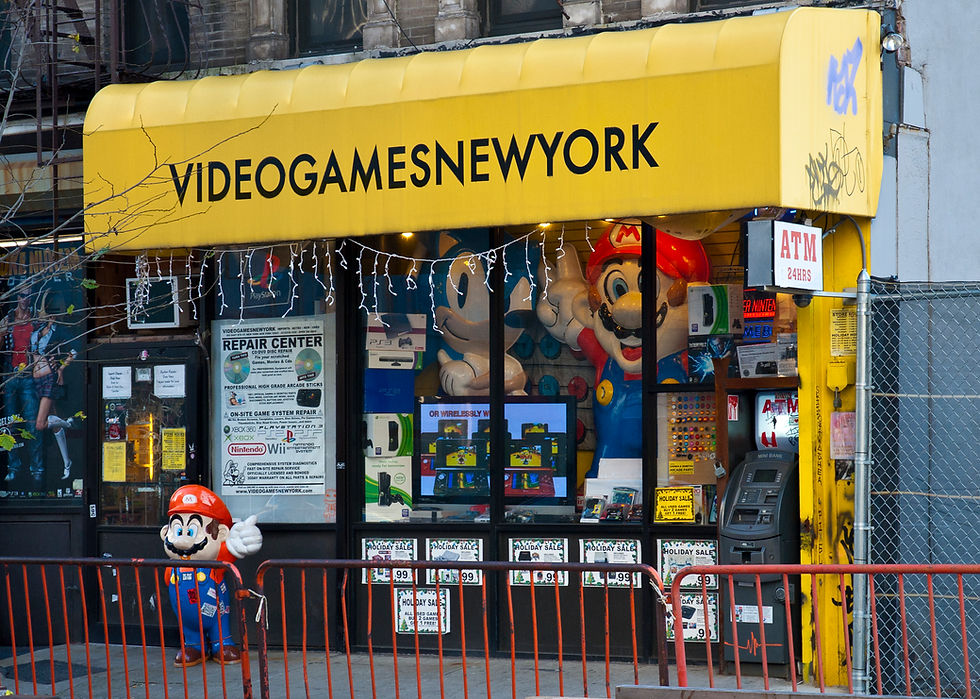
For New York’s small-business economy, the scale is meaningful even if it is modest beside the city’s overall budget. Independent stores operate with limited margins and face pressures that include rent, payroll, insurance, changing consumer habits and the cost of maintaining a physical location. A grant that improves an entire corridor can create benefits beyond any single recipient.
Commercial districts function as local networks. A restaurant depends on nearby foot traffic; a salon benefits when surrounding shops keep customers in the area; and a grocery store becomes more useful when streets feel active and accessible. Investments in lighting, wayfinding, sanitation, events or coordinated marketing can therefore affect multiple businesses at once.
The nearly 90 awards also reflect the variety of New York’s neighborhood economies. A dense Manhattan retail strip does not need the same support as a commercial avenue in Queens, a waterfront district in Brooklyn or a neighborhood center in the Bronx or Staten Island. Local organizations are often best placed to identify those differences and decide which interventions are most urgent.
The program arrives at a difficult moment for street-level commerce. New York’s recovery has been uneven, with strong activity in some business districts and stubborn vacancies in others. Hybrid work has altered customer patterns, online shopping continues to challenge traditional retail, and higher operating costs make it harder for smaller firms to absorb a slow month.
From a policy perspective, the grants test whether targeted local spending can produce visible economic returns. The most useful measures will go beyond the number of events held or banners installed. Officials and neighborhood groups will need to watch storefront occupancy, business retention, pedestrian activity, merchant participation and whether improvements remain in place after grant periods end.
Accountability matters because corridor programs can lose credibility when goals are vague. Clear budgets, public descriptions of funded work and consistent reporting can help residents understand what each award is meant to accomplish. That transparency also allows successful ideas to be repeated in other parts of the city rather than remaining isolated experiments.
The plan also recognizes that merchant organizations often perform economic work that is easy to overlook. They translate city rules, connect owners with financing or technical assistance and organize businesses that otherwise negotiate problems alone. When those groups are stable, they can become an early-warning system for vacancies, safety concerns and changes in customer activity.
The initiative may carry lessons beyond New York. London and Hong Kong face their own versions of the same challenge: how to preserve distinctive neighborhood commerce while real estate costs and digital competition reshape urban shopping. New York’s approach emphasizes locally administered support, an idea other global cities will watch even though their regulatory systems differ.
For business owners, the important question is whether the funding reaches the street in ways customers can feel. A cleaner block, a coordinated promotion, better access to technical help or a stronger merchant association can sound incremental, but those changes often determine whether a commercial corridor feels neglected or investable.
The grants should also be judged by who participates. Newer businesses, immigrant entrepreneurs and very small operators may have less time to attend meetings or complete applications. Local organizations will need accessible outreach so that benefits do not flow only to the merchants already most connected to city systems.
New York’s $8.4 million commitment will not solve every problem facing independent businesses. It does, however, recognize that citywide growth is built from thousands of local transactions and that neighborhood organizations can be economic partners. The results will depend on execution, but the strategy gives main streets a clearer place in the city’s business agenda.



Comments