Wall Street Waits on a High-Stakes Fed Decision as Bond Yields Bite

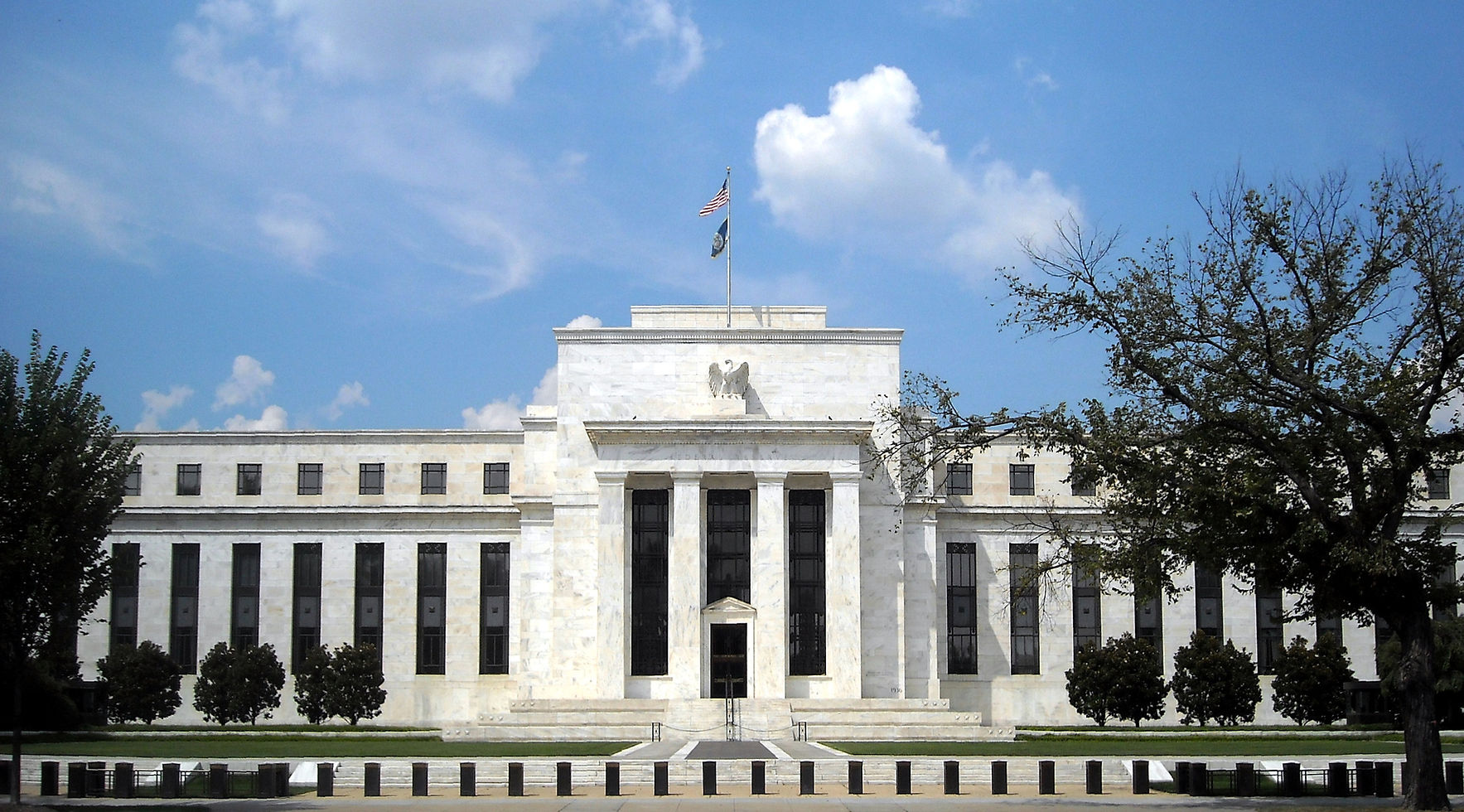
NEW YORK — Wall Street heads into today's Federal Reserve decision with an unusually uncomfortable combination: persistent inflation pressure, a 10-year Treasury yield around 5% and a political demand for easier money. The Federal Open Market Committee concludes its September 15–16 meeting Wednesday, with a policy statement and press conference scheduled after the decision. Financial markets have increasingly prepared for a rate increase, even as President Donald Trump has publicly favored a cut or no change.
The immediate question is what Chair Kevin Warsh and the committee do with the federal funds rate. The larger question is whether investors believe the central bank can control inflation without forcing a sharper slowdown. Bond markets have already begun applying their own restraint. The 10-year Treasury yield crossed 5% this week, a level that moves through mortgage rates, corporate borrowing, auto loans and the discount rates investors use to value future profits.
That transmission explains why a bond-market move can matter more than a single day in stocks. When safe government debt offers a higher return, investors demand more compensation to own risky assets. Companies refinancing loans face steeper interest bills, while households find big purchases more expensive. Even if the Fed leaves its target unchanged, a skeptical bond market can tighten financial conditions by keeping longer-term yields elevated.
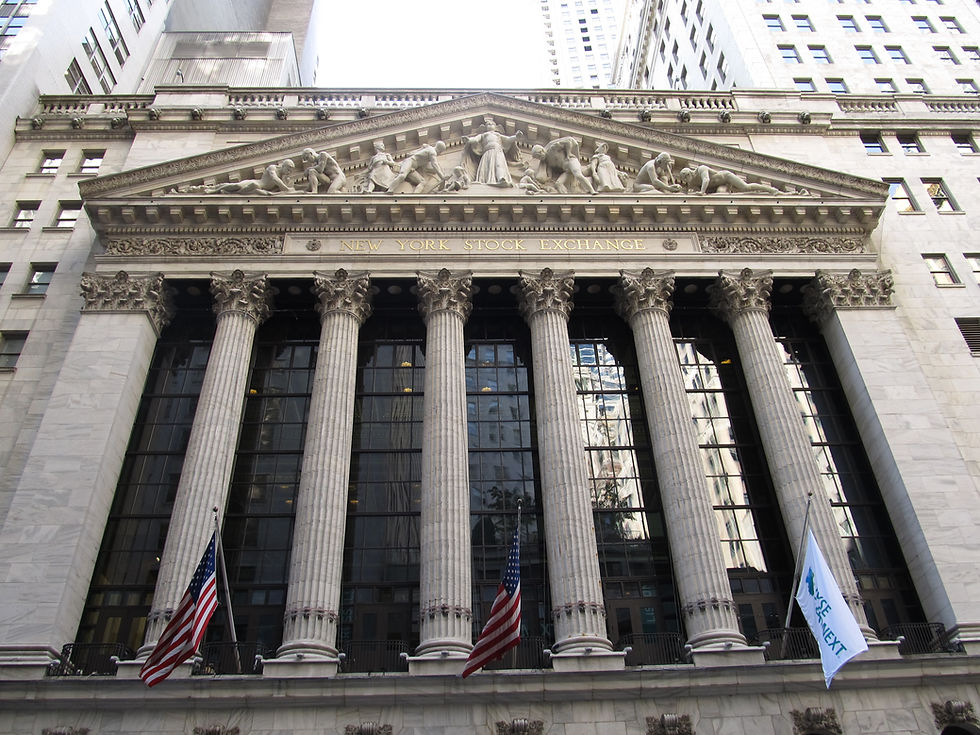
The New York connection is direct and material. Banks, asset managers, insurers and trading desks must translate the decision into prices within seconds, while corporate finance teams decide whether to borrow now or wait. The S&P 500, Dow and Nasdaq all fell Tuesday as oil prices and bond yields added pressure. That reaction did not settle the debate; it showed how little room investors see for a policy surprise that is not carefully explained.
Warsh is only months into the chairmanship, making this decision an early test of institutional credibility. A rate increase would signal that the Fed is willing to respond to inflation even under political pressure. Holding steady could be defended as patience if officials believe existing restraint is still working. A cut would require a much stronger argument that economic weakness has overtaken the inflation risk. Each option carries a communications burden as important as the number itself.
Investors will therefore read beyond the headline rate. Updated economic projections can reveal how officials see growth, unemployment and inflation developing through 2027. The distribution of individual rate forecasts will show whether the committee is converging or dividing. Language about oil, wages, consumer demand and inflation expectations may determine whether markets interpret the decision as the beginning of a cycle or a one-meeting adjustment.
The stakes extend to companies that have benefited from enthusiasm around artificial intelligence. High-growth stocks can remain resilient when investors believe future earnings will justify current prices, but higher yields raise the hurdle. NylonKong's recent coverage of Hong Kong's business-confidence survey highlighted firms balancing innovation with cost discipline. New York's market now faces the same equation at portfolio scale: growth stories must compete with a rising return available from bonds.
Currency markets will also respond. Higher U.S. rates can support the dollar by drawing capital toward dollar-denominated assets, creating consequences for borrowers and businesses far beyond New York. Importers may benefit from a stronger currency, while exporters can find their products more expensive overseas. Emerging markets with dollar debt may face tighter conditions. That is why a decision made in Washington is priced so intensely on trading floors from London to Hong Kong.
A rate increase would not guarantee lower inflation, and a pause would not guarantee weaker discipline. Monetary policy works with delays, while energy shocks, tariffs and supply constraints can keep prices elevated for reasons interest rates cannot quickly repair. The Fed's job is to influence demand and expectations without pretending to control every source of inflation. Markets will judge whether its chosen action matches that limited but powerful role.
Today's New York story is ultimately about credibility under pressure. Traders can absorb an unpopular decision if the rationale is coherent, the data support it and the path ahead is intelligible. What markets resist is uncertainty about the reaction function itself. By the close, investors may still disagree about the next move, but they will want to know which evidence could change the Fed's mind—and whether the institution, not politics, remains in charge of the answer.


Comments