Why New York, London and Hong Kong Still Lead Global Finance

New York, London and Hong Kong are often grouped together as global financial centers, but they do not perform identical jobs. Their importance comes from different combinations of capital, legal systems, market infrastructure, talent, international access and geography.
The Global Financial Centres Index has repeatedly placed the three cities near the top of its rankings. In its March 2026 edition, New York led, London followed closely and Hong Kong remained the highest-ranked center in Asia-Pacific. Rankings are not a complete measure of financial power, but they capture why companies and investors continue to treat this trio as essential.
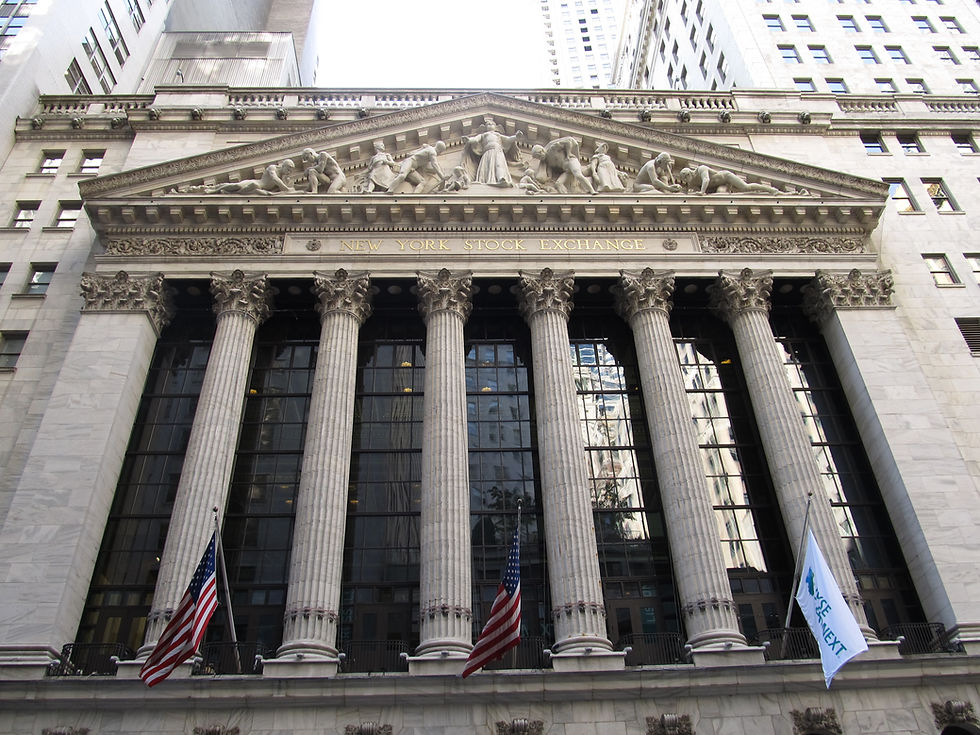
Photo: Ken Lund/Wikimedia Commons, CC BY-SA 2.0.
New York’s greatest advantage is depth. The United States has the world’s largest pool of publicly traded equity value, a vast government-bond market, major asset managers, venture-capital networks and global investment banks. Wall Street is not simply a physical district; it is the center of a system that connects pensions, insurers, corporations and investors at enormous scale.
The dollar reinforces that position. It is widely used in trade, borrowing and reserves, and U.S. Treasury securities sit at the center of global collateral and liquidity. That gives New York influence far beyond American companies. A decision made by the Federal Reserve or a move in Treasury yields can change financing conditions from Latin America to Southeast Asia.
London’s strength is international rather than primarily domestic. Its working day overlaps Asia in the morning and North America in the afternoon, allowing banks and trading desks to connect markets across time zones. The city has long-established expertise in foreign exchange, insurance, legal services, asset management and cross-border finance.
English law and a large professional-services ecosystem also matter. Global transactions require lawyers, accountants, consultants, data providers and regulators who understand complicated deals. London’s concentration of those services helps it remain influential even as the United Kingdom’s share of global economic output is smaller than that of the United States or China.
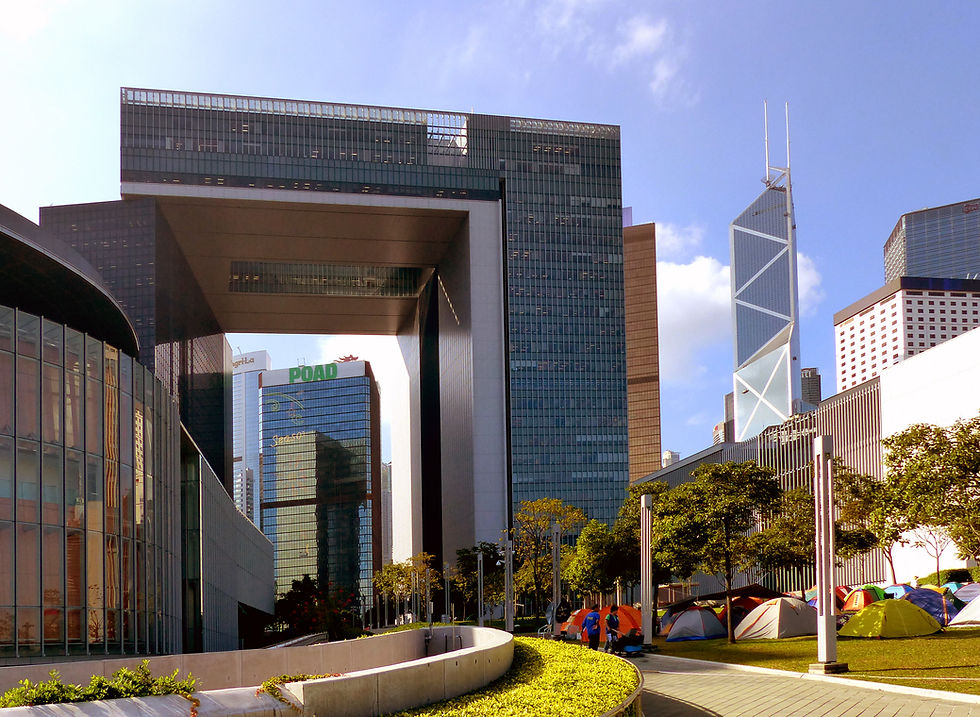
Hong Kong’s role is built around access to China and international capital. Its markets provide channels through which mainland companies can raise money and global investors can gain exposure to Chinese assets. The Hong Kong dollar’s linked exchange-rate system, deep banking sector and common-law tradition have historically supported that bridge function.
The city also sits inside the Asian trading day. When Hong Kong opens, it absorbs information from mainland China and the wider region before Europe and the United States begin work. Its value is therefore partly chronological: global finance moves continuously, and each center hands risk, pricing and news to the next.
Competition among the three is real, but their relationship is also complementary. A company may list shares in New York, arrange currency hedging in London and manage Asian investors from Hong Kong. A fund can trade around the clock by passing responsibility between teams in the three cities.
Their vulnerabilities differ. New York faces high costs and regulatory fragmentation. London must maintain international access after Brexit while competing for talent. Hong Kong is sensitive to changes in China’s economy, geopolitics and perceptions of institutional independence. A leading financial center cannot rely on history alone; it must continually prove that capital can move efficiently and predictably.
Technology is changing the infrastructure but not eliminating the importance of place. Electronic trading can happen anywhere, yet large transactions still depend on dense networks of trust, expertise and decision-makers. Artificial intelligence may automate research and operations, but it also increases demand for data centers, specialized regulation and professionals who can govern risk.
The enduring lesson is that financial leadership is an ecosystem, not a single stock exchange. New York supplies scale and dollar liquidity, London specializes in international intermediation, and Hong Kong connects global capital with China and Asia. Their rankings may move, but their different functions explain why all three continue to matter.


Comments